What Makes Ambubachi Mela So Special?
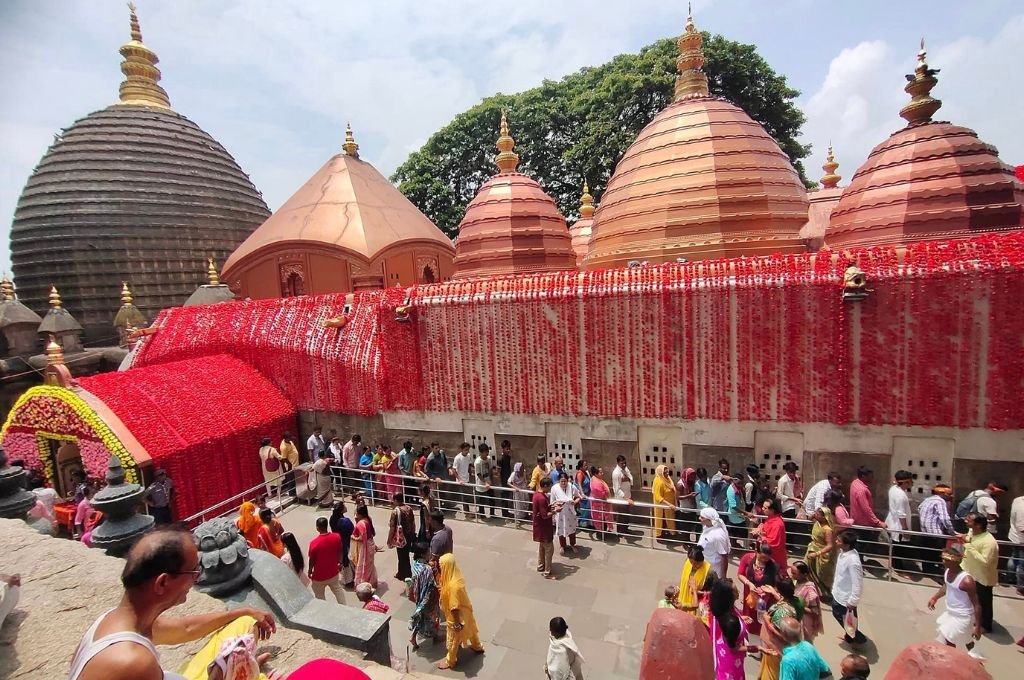
Out of nowhere, silence spreads when Ambubachi Mela begins – not shaped by laws, but felt deep in bone and earth. People drift toward Guwahati in scattered groups, their footsteps soft, pulled by something never named. At the heart sits Kamakhya Temple, its stone smoothed by time, stirring only when warmth grows heavy. While ordinary hours march forward elsewhere, inside those walls, the air turns thick and slow. Heavy quiet fills the air, much like soil breathing deep. People show up, lured by a pull they can’t name, no promise made, just steps taken.
Festivals often scream. Not this one. The Ambubuchi Mela speaks low, holding womanhood close while the planet exhales beneath it. Stillness claims victory, never volume. Visitors come jumpy, minds racing. Afterward, their steps stretch longer, matching rhythms they’d forgotten lived inside bone. Shifts stay behind; soles meet soil like an old friend recognized at last.
Midway through Ambubachi Mela, the air shifts somehow heavier, harder to name. Into Guwahati they come, thousands on foot, yet quiet sages move alongside without drawing eyes. Cameras pass unseen between bodies, slipping through gaps like smoke. Cloth flares bright near ancient rock; at the same time, prayers rise not fast but curling upward like morning mist. Each ritual unfolds much like secrets whispered only now, after years locked inside folded paper.
A flicker leaps over stone basins, vanishing fast, yet lingers in thought much later. Around the curve, voices gather low, but sharp with life. Laughter slips out below tin eaves, while vapor twists from cups made of clay. Stalls appear almost by accident, holding whittled shapes beside parcels bundled in green. Those who trade talk as if speech began far from roads, unfolding stories bit by bit, around sips
The History Behind Ambubachi Mela
Older than written records, the Ambubachi Mela seems to have simply existed, its start lost like smoke in the wind. Tied to ancient beliefs around Goddess Kamakhya, this gathering often unfolds less like a ritual and more like breathing earth itself waking up. Legend says the shrine marks one of India’s holiest Shakti Peethas, a point where divine presence isn’t imagined, but sensed deep in the bones. Devotees arrive knowing her power lives here, pulsing under stone, felt in silence between breaths. Time bends near these walls; what began long ago still hums now.
Water moves. That is what the name hints at. From Assam it came, built of two pieces. One stands for water, the next suggests motion. Together, they form something alive. Fertility slips in through sound alone. Life ties into syllables without warning. Nature hums beneath the surface of speech. The reason for celebration hides inside how it sounds. Creation gets honored quietly there. Earth becomes sacred just by being named.
For three days at the festival, the temple remains shut; this is not seen as rest but as something needed. While some visitors may feel uneasy about what happens next, locals hold deep respect. The belief stands firm: Goddess Kamakhya experiences her annual cycle now. Though unusual to some ears, the practice carries weight and care. When it ends, the gathering shows how bodies can be honored without shame or silence.
Why Devotees Visit Kamakhya Temple During Ambubachi Mela
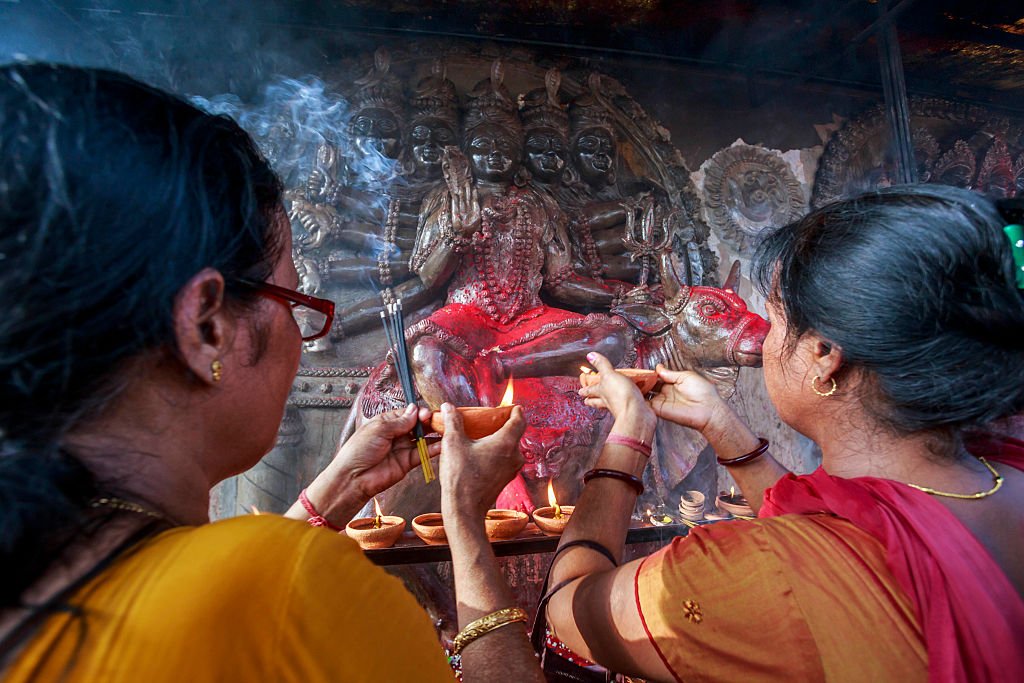
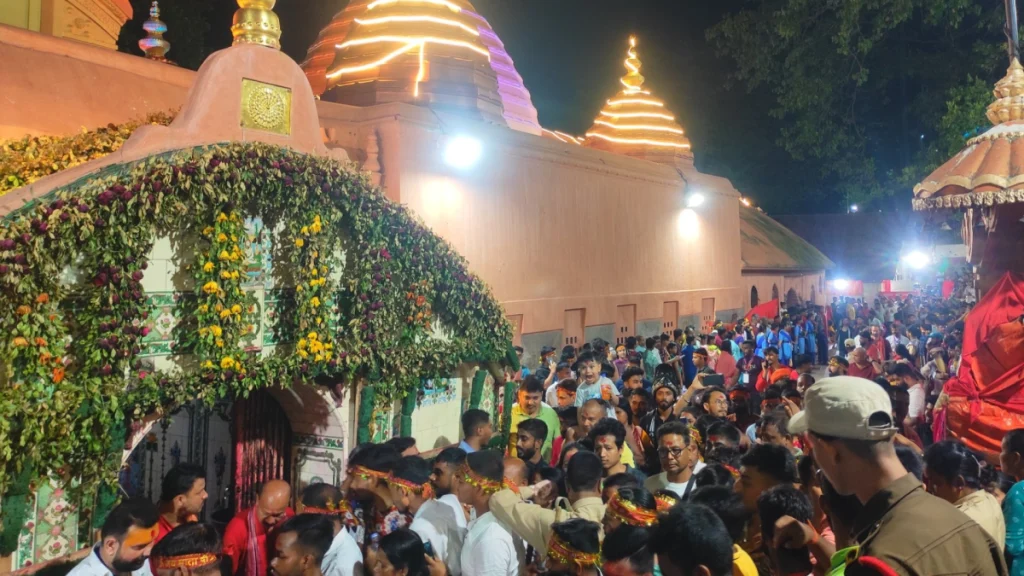
When the Ambubachi Mela stirs, the Kamakhya Temple hums beneath Assam’s skin. People come without sound, their silence deeper than speech, already aware that something has tilted. Paths unfold over hours or weeks, uneven lengths, yet every stride points to that single place. Bare feet meet sun-split ground, warmth climbing up through skin; still forward they go, comfort is not part of this path. Near the shrine, the atmosphere grows dense, not loud but full, as if the world paused breathing. Speech slips off. What remains is sensation alone.
Hoping for a better future draws crowds to the Ambubachi Mela each year. Devotees trust that Goddess Kamakhya listens when prayers involve healing, loved ones, or reaching goals. That faith fills the air once the temple doors swing open again on day four. Lines stretch far, built from quiet expectation. Breathing in unison, it almost seems everyone shares one wish.
Wandering holy men arrive by the hundreds when the rains come. Meditation hums through the air, mixed with low chants at dawn. Rituals unfold slowly near stone altars, hidden in plain sight. Close watching lets some see what usually remains unseen. Strange it might seem, yet there’s a pull, quiet, deep, unforgettable.
The Colorful Experience of Ambubachi Mela
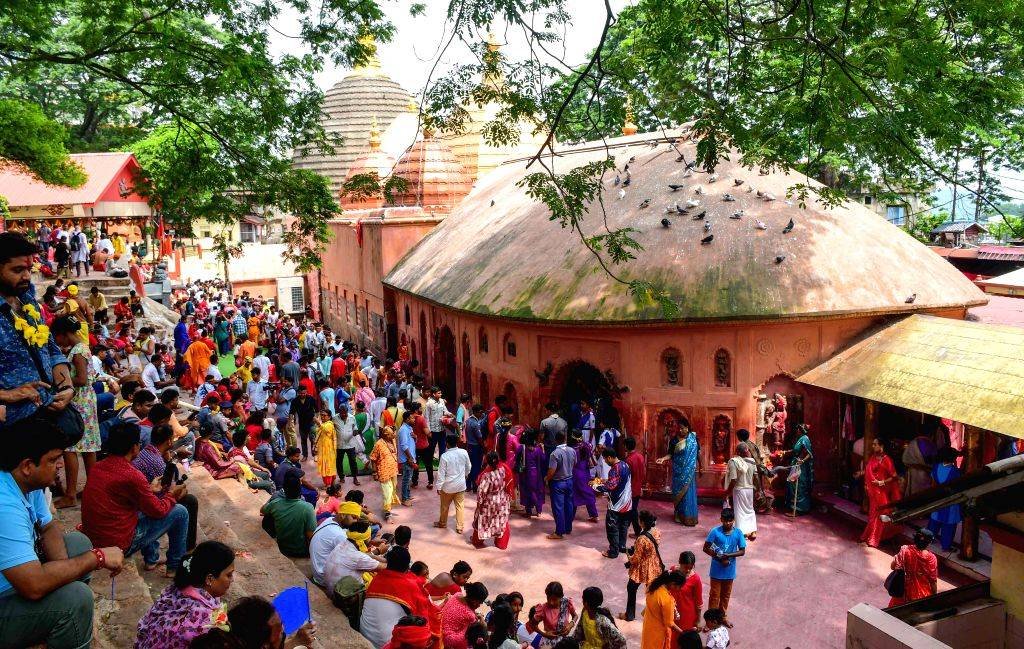
Out here, near the temple paths, people move slowly beneath saffron flags snapping in the wind. Holy men sit cross-legged, their bodies streaked with ash, silent under wide tree shade. Bright saris flash between stalls where smoke curls from clay pots. A sense of something deep hums through crowds that gather without hurry. By afternoon, the streets breathe differently, quiet at once. This place, normally calm, now pulses with footsteps walking no set path. Faces glow not from light but some inner pull, hard to name
Here, dawn arrives soft, wrapped in faint bells that slide across hills. Heads low, people move slowly, voices hushed under a wide sky. Suddenly, the sun climbs; alleys thicken, noise lifts, stalls unfold under cloth roofs. Air grows thick: steam of simmering milk, dust of cumin, pots humming at curbsides. A sense of place sneaks through, quiet as heat on flesh, arriving well ahead of thought.
How Ambubachi Mela Supports Assam’s Tourism and Culture
Packed with color each summer, the Ambubachi Mela pulls crowds into Assam. Year after year, guesthouses fill fast while market stalls buzz well past dusk. Thanks to those numbers, incomes rise slowly yet surely for countless households. Steady demand follows, bringing jobs where few existed before.
Art made by nearby creators finds a home at the Ambubachi Mela. Tourists traveling in from far places are drawn to handmade necklaces, woven bamboo tools, colorful art pieces, and fabrics stitched in Assam. When travelers buy these things, they take more than objects – they carry stories back. The rhythm of old ways pulses louder during this time. Memory holds on tighter when tradition is held in your hands.
Out here, food pulls crowds just as much as the rituals do at Ambubachi Mela. Folks on the move bite into warm pita, heaping plates of rice, along with tangy, bold curries. Each flavor opens a quiet door; suddenly you’re inside Assam’s rhythm, not skimming its surface.
These days, officials and travel promoters highlight Ambulate Mela as a key moment in local culture. Thanks to upgraded pathways, smoother rides, and stronger crowd controls, getting there feels less difficult. Because of that shift, attendance grows -familiar faces show up, along with those who once stayed away due to distance.
Essence
Truthfully, the Ambubachi Mela goes way beyond just prayer and rituals. A deep sense of life’s rhythms hums through it: feminine energy, earth’s pulse, quiet bonds between strangers. Simple acts during the days show how nature turns, how beliefs hold steady, even if unfamiliar at the start. Openness grows slowly, without needing to explain.
Deep within the hum of prayers at Kamakhya Temple, meaning settles quietly. Along Guwahati’s busy lanes, colors blur into memory. During Ambubachi Mela, time doesn’t just pass – something older leans in close. Devotion shows up, yes, yet so do stories whispered through gestures, shared food, quiet glances. Culture slips in beside ritual, hand in hand, without announcement. Kindness appears in small acts, unremarked but felt. History lives under footsteps, beneath chants, woven into cloth and smoke. All of it moves together, not loud, just steady.
Also Read: Sao Joao Festival, Goa: The Magical Monsoon Festival Full of Joy and Tradition