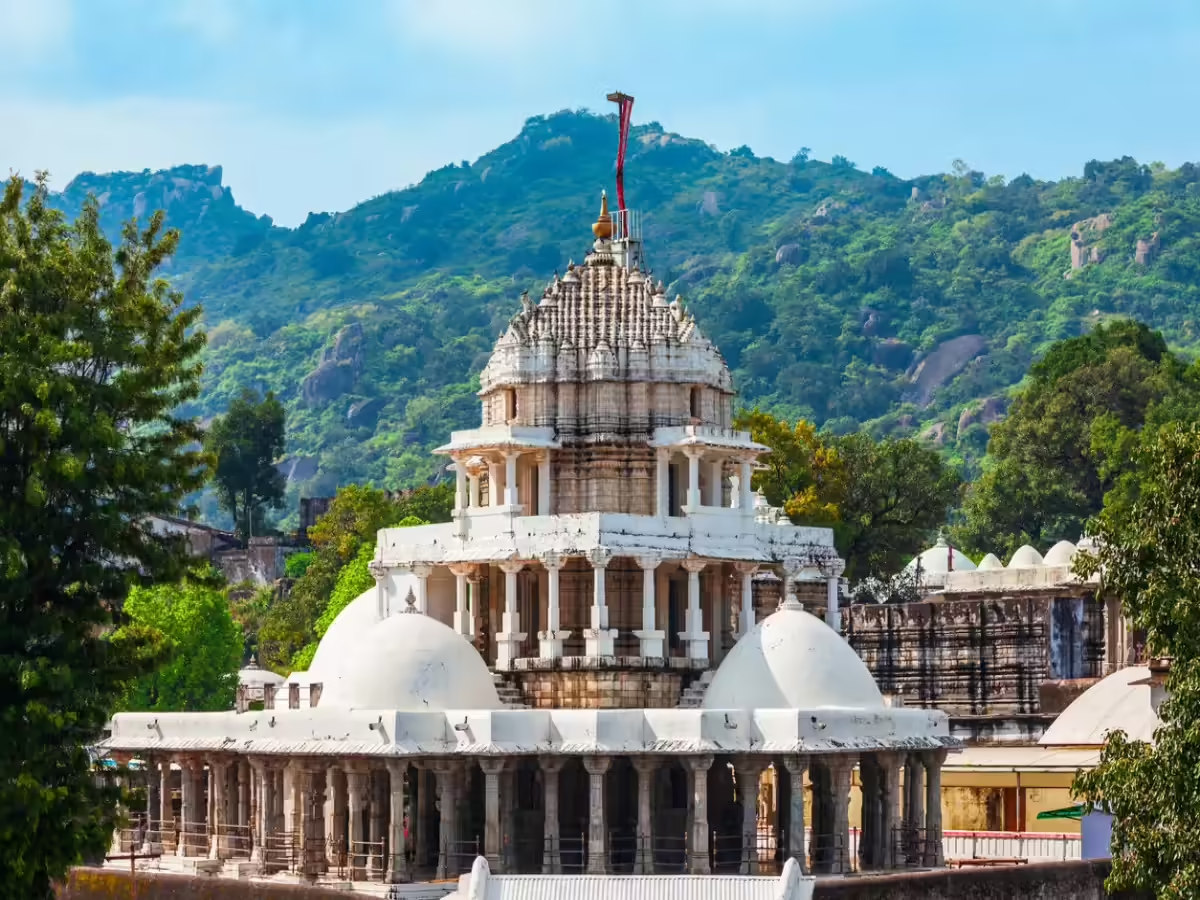
Many of the beautiful places attract photographers. When you visit them in person, they all look a bit different. Like Lingaraj Temple in Bhubaneswar and so on. While the views of this towering stone temple above seem enticing, this place also bears lots of religious importance beyond the eyes as well. In fact, next time you tour Bhubaneswar, you’d recognize how true a moniker Temple City is for the city, with temples strewn all around.
Lingaraj Temple Begins With a Story Written in Stone
Lingaraj Temple is 1100 years old. Both temples were started in the 11th century and became a centre suggested by the Somavanshi ruling family. However, the significance of the site dates back thousands of years. Going into ancient temples poses more questions than answers-Who worshipped there? The question was: how did they move massive rocks, as there were no machines back then? We cannot answer every question. Yet the temple itself offers some clues. The walls reflect the skill, care, and creativity of those who constructed it. Someone had to carve each figure out with a human hand.
Lingaraj Temple Shows What Ancient Builders Could Do
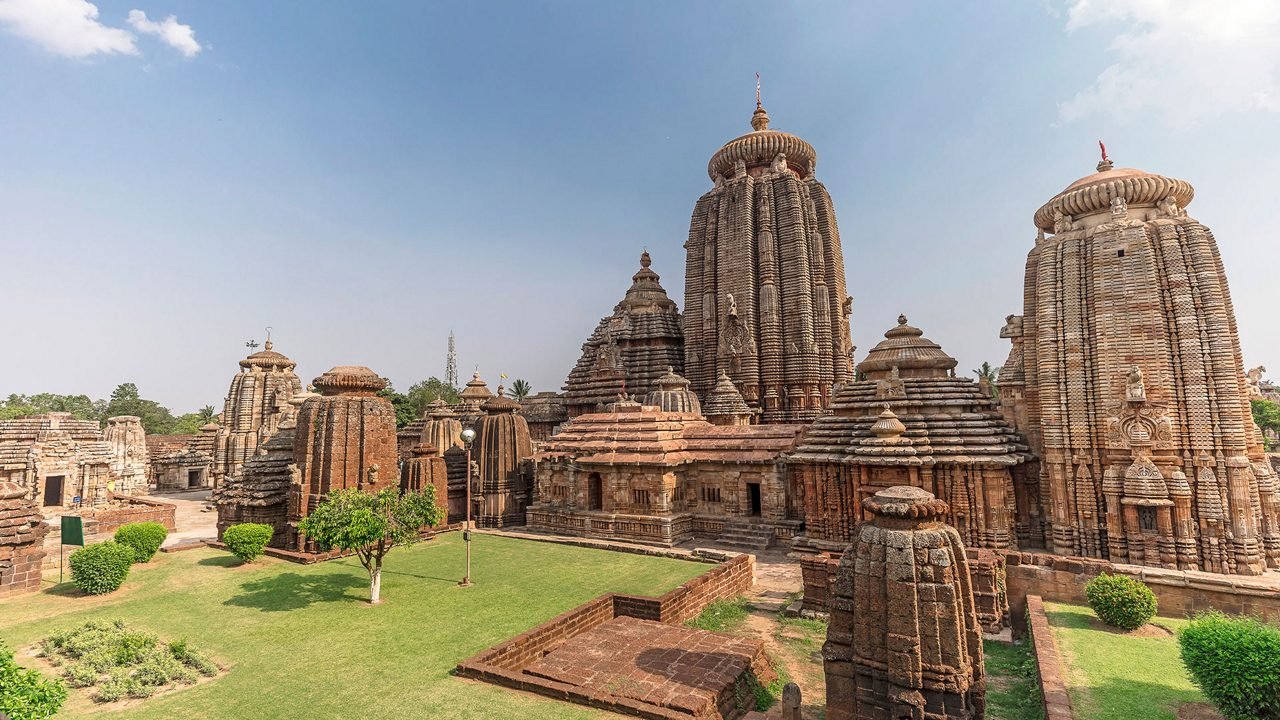
Pausing to glance at the architecture of the Lingaraj Temple, the temple itself has a high tower above the temple complex. It is made in the archetypal shape of a Kalinga temple. Stone was the principal material that builders worked with. They then made that hard thing into soft pink swirls and shapes, turning it into all the pretty. Look closely at the carvings. You see deities, animals, flowers, musicians, and whatnot. The details make the walls look as if they were pages from an old book.
Four Parts, One Sacred World
The reality of the temple is not just one structure. There are four notable architectural regions of Lingaraj Temple. The Vimana, Jagamohana, Natmandira, and Bhoga Mandapa. Each of these sections serves a specific and distinct purpose. The main shrine is inside the Vimana. The Jagamohana is a hall used for assembly. The Natamandira is associated with temple dances, and the Bhoga Mandapais are dedicated to food offerings. This makes up the entire temple. This design also gives us a glimpse of ancient Indian temple culture. The temple was not just something people went into to pray in and exited. A place for rituals, gatherings, celebrations, art, music, and community life.
Lingaraj Temple Comes Alive During Festivals
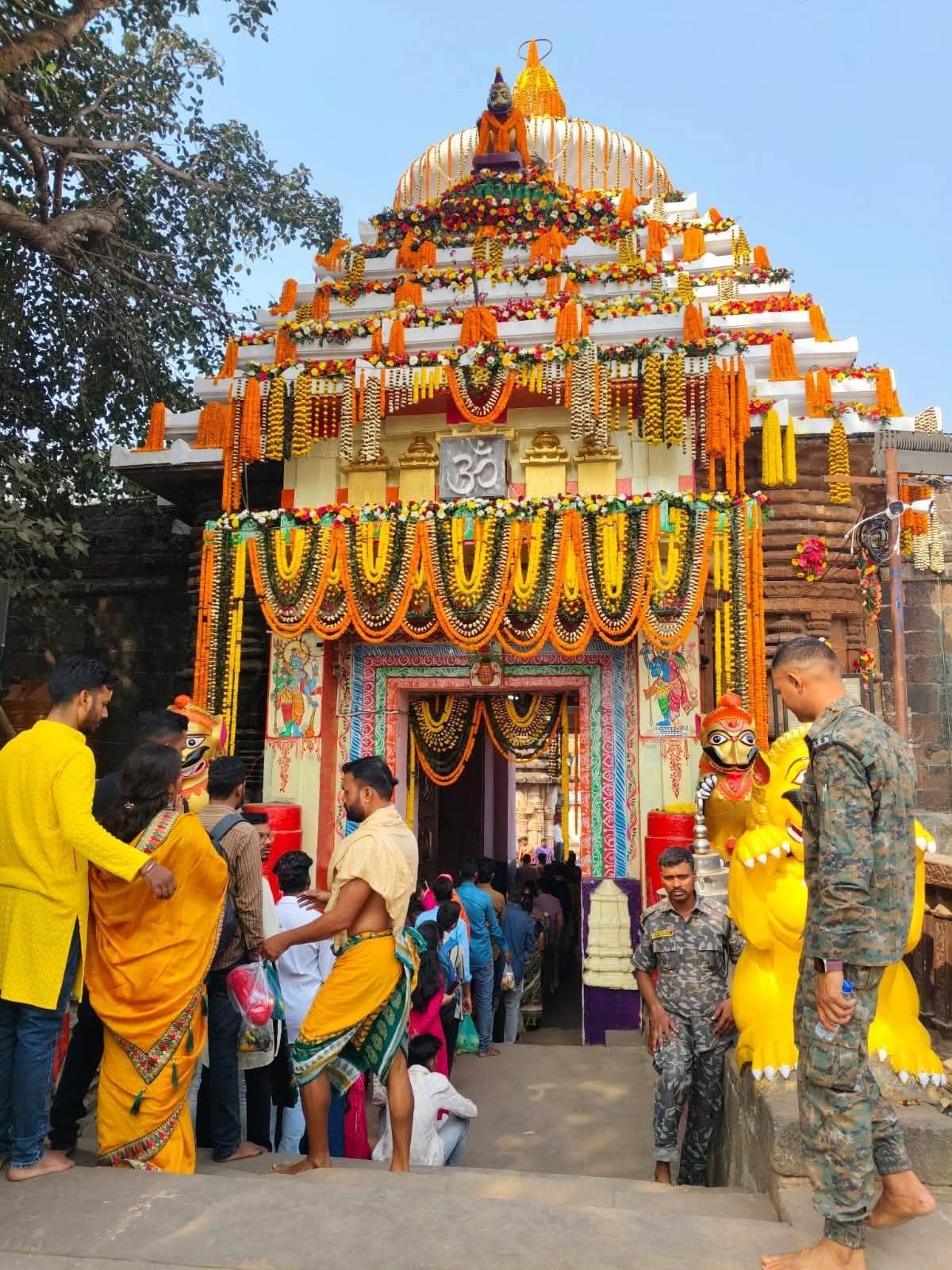
The Lingaraj temple is one of the most beautiful temples in Bhubaneswar as well as it can also be a place with best places to visit. The stunningly large temple is publicly accessible, and everybody, even those with no invitation, will not be turned away. You can feel the temple as the pulse of the festival. The temple witnesses one of the most prominent fairs during the Maha Shivratri festival. Thousands of devotees arrive to offer prayers to their Lord Shiva. Everything changes in the environment.
Lights brighten the surroundings. Religious chants fill the air. This is a time when families congregate, but also the time for pilgrims to come from near and far. The second major festival is the Rukuna Rath Yatra (also referred to as Ashokashtami Yatra). He is taken out of the temple on a covered chariot in this festival.
A Temple That Connects Generations
Lingaraj Temple: one of the most interesting facts that we learned was that it is living, and people are in connection with it. An ancient building can be empty and still. This temple did not. The place is still visited by people for worship, festivals, rituals, and blessings. That ongoing use imparts a different kind of meaning to the place.
A grandfather bringing his grandson to the same holy land that his own parents went to. The buildings may be ancient. The emotions are not. Legacy: Family values, love of simple things, and Thankfulness, sometimes just wear the right men in faith, family memories, and hopes as they can simply cross generations without even written instruction. This human connection also makes Lingaraj Temple more than architecture.
The Quiet Beauty Around Lingaraj Temple
The experience begins before you even reach the temple entrance. Another component of the holy landscape is Bindu-Sagar, a huge water tank just beside Lingaraj Temple. The water body has high religio-cultural importance and is also associated with the expanded religious landscape of ancient Bhubaneswar. This space allows guests an opportunity to unwind. Modern life moves quickly. In our hectic lives, we check phones, rush through time, and think of the next task even before finishing one! Maybe one reason many places like Lingaraj Temple continue to gain a number of people for hundreds of years.
Why Lingaraj Temple Feels Different
Numerous historic structures can date their inception to an early period; Lingaraj Temple has a longer story to tell us more. It can illustrate the ways people made spaces for community, faith, art, tradition, and shared memory. The stones echo with the call of generations of worshippers. Its festivals have been a unifying force. The sculptures have retained the creativity of artisans from antiquity.
Cessation
The Lingaraj Temple is far from being a relic left behind by a distant past in India. It is a living face of Bhubaneswar. Its architecture preserves the ancient craftsmen’s skills. Its traditions embody the faith of prior generations. It is a festival that continues to unite communities. The temple teaches us, most importantly, that heritage is not merely old buildings. Heritage is also about memories, faiths, development, folktales, and people.
As you stand before Lingaraj Temple, you are looking at more than just carved stone. You see the work of human hands & the faith of millions over the generations. This is what has ensured that this ancient temple stands the test of time. Hence, Lingaraj Temple is one of the greatest symbols of Orissa’s sacred and cultural legacy.
Also Read: Stambheshwar Mahadev Temple: The Shiva Shrine Where the Sea Decides When You Can Pray