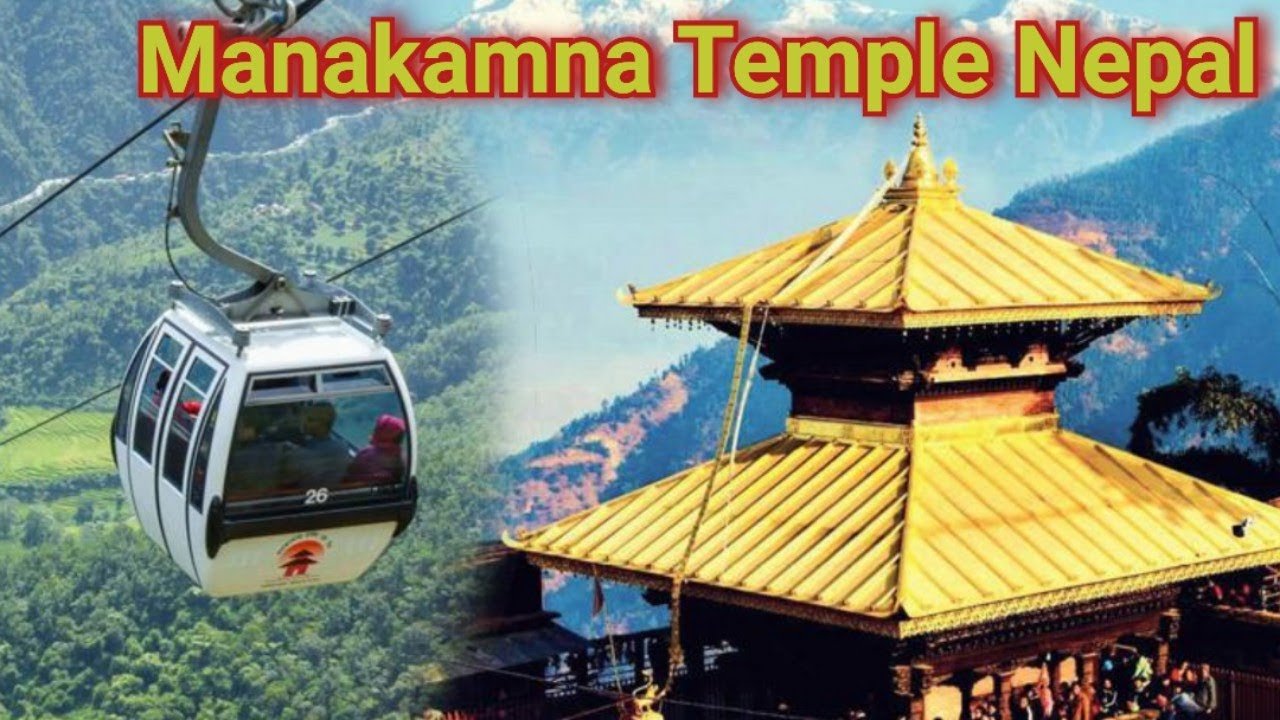
Introduction to Manakamana Temple
According to her, the Manakamana Temple is not just a temple; it is a place where faith is alive. This temple in Nepal attracts thousands of devotees every year with the belief that wishes get fulfilled. Such a strong belief elicits emotional strength in the Manakamana Temple.
Manakamana means “the wish of the heart.” People come here with hopes and prayers; some come in tears, while others come with a heart filled with gratitude. All depart with peace.
Why Manakamana Temple Is So Powerful
Manakamana Temple is a monument of faith. If it could talk, it would say: “The faith here is stronger than fear.” Everything is quiet; even louder than words is stepping into it. So first-time visitors feel a calm aura here within.
Numerous devotees tell stories about their wishes coming true. Such faith indeed increases in quantity every year and passes on from one generation to another.
Meaning of the Word “Manakamana”
Manakamana is derived from two Sanskrit words: “Mana,” which means heart or mind, and “Kamana,” which means wish. Thus, the combined meaning is “the wish of the heart.” Such a meaning gives life to the temple.
Location of Manakamana Temple
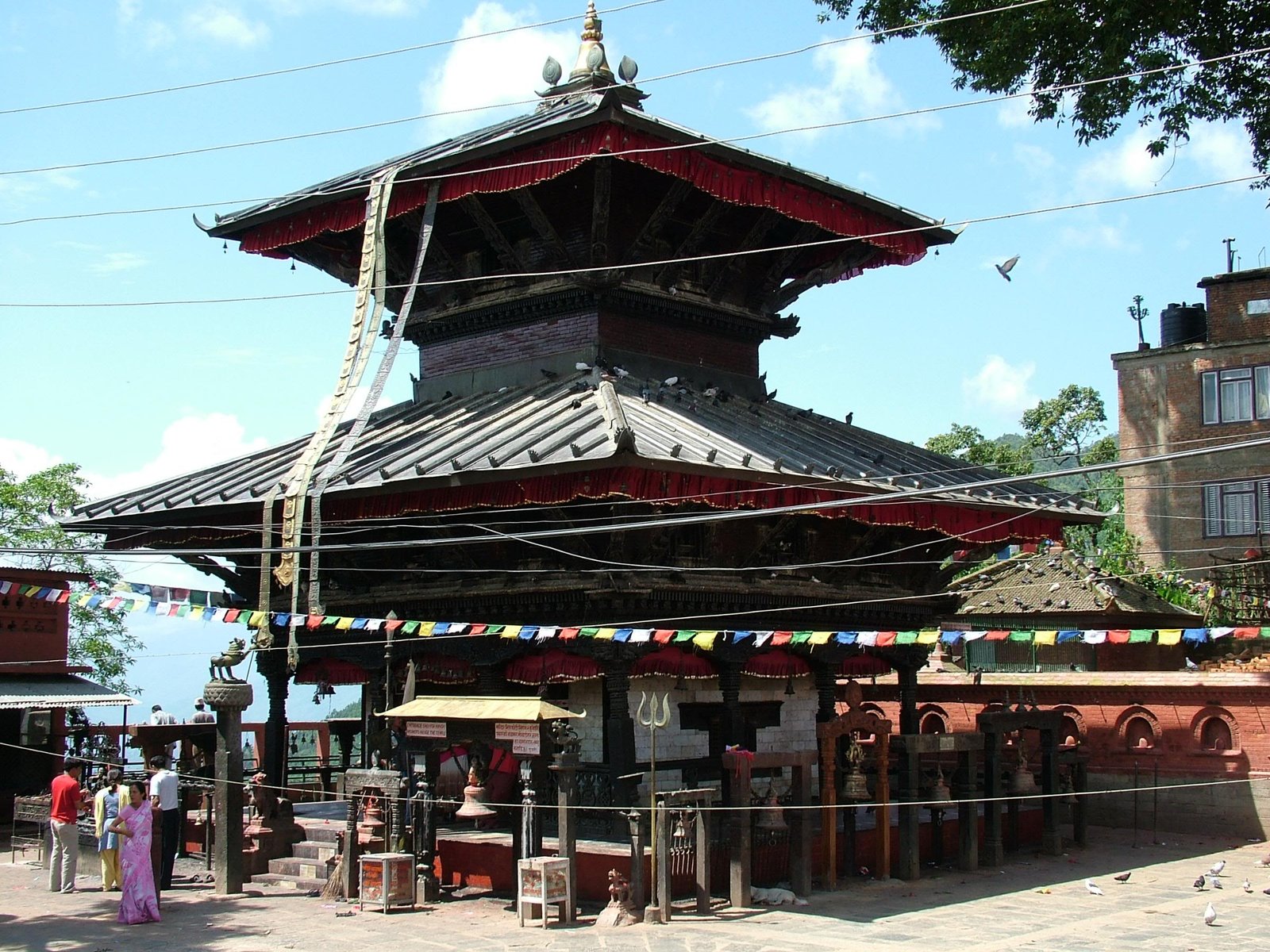
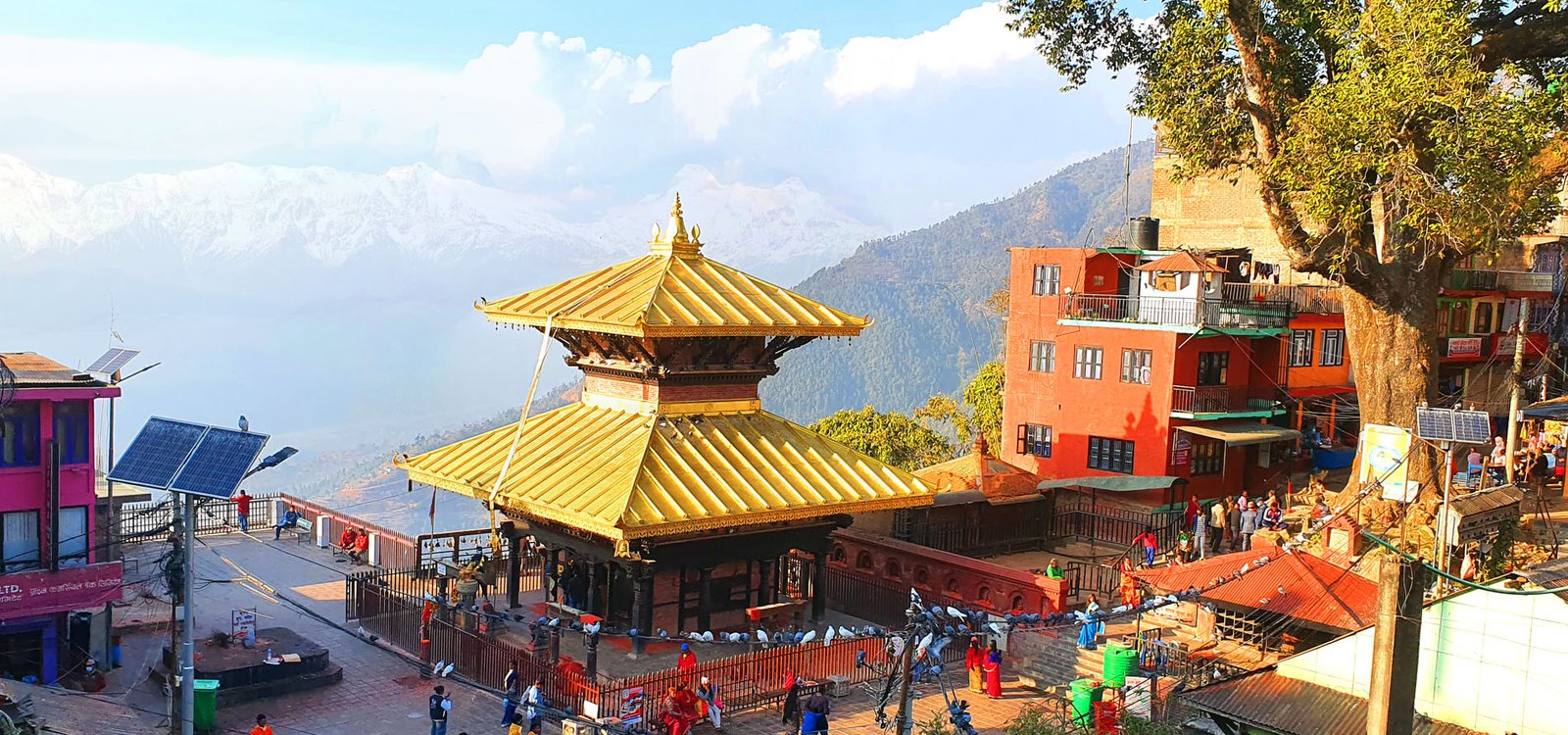
The Gorkha district in Nepal is home to the Manakamana Temple, perched atop a hill about 1,300 meters above sea level. The panorama, owing to this elevation, feels surreal.
Where Is the Manakamana Temple Situated
The temple is bound to make an easy passage into the itinerary of any travel enthusiast since it falls between the two towns of Kathmandu and Pokhara. A very gentle bend of the Trishuli River below further enriches the beauty of the landscape.
Geography and Natural Beauty Around the Temple
The hills that surround Manakamana Temple are green. Sometimes, clouds drift low and touch here and there the ceiling of the temple roof. Naturally, this place often appears heavenly. Every visitor is greeted at this point by birds, trees, and sweet air.
The History of Manakamana Temple
Manakamana Temple has a powerful legend. The story goes back to the 17th century. It speaks of devotion, mystery, and divine energy.
The Legend of Queen Manakamana
Queen Manakamana became a famous and lovely wife for King Ram Shah of Gorkha. It was ritually believed that she was an incarnation of divinity. One day, the king viewed her in her celestial form and afterwards caused her to disappear. A stone suddenly appeared at the very place of her disappearance. That stone became a religious relic, and eventually, a temple, the Manakamana Temple, was constructed at that spot.
How Faith Built the Temple
Miracles have been said to be evident by the locals who would worship the stone; therefore, devotion grew. The temple was, thus, a well-studied spiritual center growing in popularity.
Religious Significance of Manakamana Temple
Manakamana Temple, the temple of Goddess Bhagwati, means power, protection, and compassion.
Blessings of the Goddess Bhagwati
Devotees believe that it is the Goddess Bhagwati who fulfills their wishes; therefore, they pray with unyielding faith; health, prosperity, and happiness are prayed for.
Wishes, Faith, and Belief
Faith acts as a sort of mechanism, a bridge at its best, uniting the heart with hope. Thus, for every single devotee, it truly means their own temple.
The Famous Manakamana Cable Car
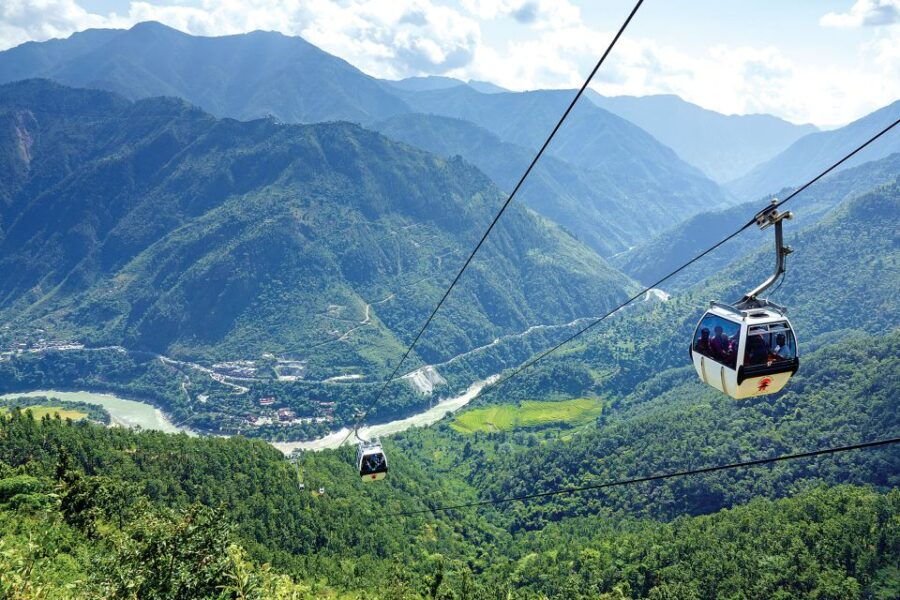
Everything changed with the advent of the Manakamana cable car. The journey would take people on foot for hours before this; now it takes about an hour.
A Modern Way to an Ancient Temple
The cable car connects Kurintar to the temple hill. It thus facilitates easy walking down to the temple, especially for elderly folks and children.
Cable Car Experience
What a smooth yet exhilarating ride! Hills glide past beneath you; rivers shimmer far away. It really feels like flying amidst all this in the name of faith.
Rituals and Offerings at Manakamana Temple
Rituals at Manakamana Temple follow ancient traditions. These practices reflect da deep belief.
Traditional Puja Practices
Devotees offer flowers, coconuts, and incense. Priests chant prayers with rhythm and calm.
Animal Sacrifice and Its Meaning
Some devotees offer animal sacrifice. This tradition symbolizes giving up ego and desire. However, participation is a personal choice.
Best Time to Visit Manakamana Temple
Choosing the right time improves the experience.
Festivals and Special Days
Dashain and Navratri attract large crowds. During these times, energy fills the air.
Weather and Travel Comfort
Spring and autumn offer clear skies. Therefore, these seasons feel ideal.
Rules and Etiquette for Visitors
The temple is peaceful by its holiness.
Dress Code and Temple Etiquette
Women should wear modest dresses. Shoes must be removed before entering.
Respect for Culture and Beliefs
Photography is banned within the temple. Silence is appreciated because of respect.
Manakamana Temple for Tourists
Travelers flock to the temple in large numbers.
Attractions Nearby
Gorkha Durbar and some local villages add to the charm of the tour.
Food, Shopping, and Local Life
The small shops sell sweets and souvenirs. Food is often cooked simply and served warm.
Why Manakamana Temple Touches the Human Heart
temple is more than stone and metal. Manakamana temple is about belief.
Faith, Hopes for Inner Peace.
It hints to you to trust life: when things weigh heavily upon you, hope breathes.
Denouement
Here, within the sacred Temple, faith reaches the sky. It teaches how belief can take hearts up as a cable car lifts bodies. Every prayer pronounced within the temple has a guarantee. Every visit brings a reminiscence. The destination is Manakamana Temple, more than simply. It is an experience that remains an afterscar long after leaving.
FAQs
- What is Temple famous for?
Temple is famous for fulfilling wishes through faith. - Where is Temple located?
It is located in the Gorkha district of Nepal. - How can I reach Temple?
You can reach it by cable car from Kurintar. - Who is worshipped at the Temple?
Goddess Bhagwati is worshipped at the temple. - Is Manakamana Temple suitable for children?
Yes, the cable car makes it easy and safe for children.