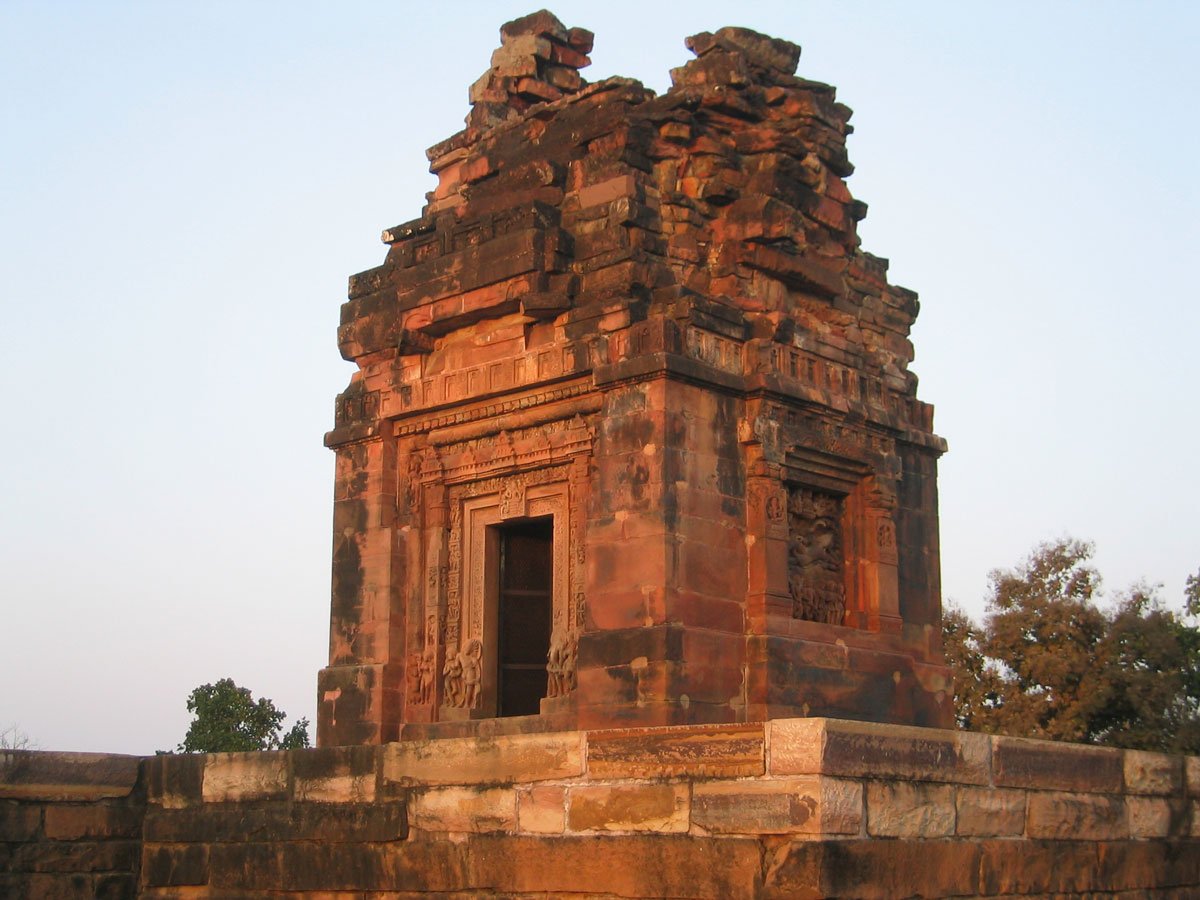
Dashavatara Temple, Deogarh, is a wonderful testimony to India’s ancient imagination, an unending stone chronicle that whispers forgotten tales. It’s an old shrine lifted from stone with care, narrating the magnificent tales of the ten incarnations of Lord Vishnu, and a very own name, Dashavatara Temple captures this celestial theme, as it is a building made to honor the ten resplendent manifestations of Vishnu that protect the world through the ages of cosmic time.
What Sets the Dashavatara Temple, Deogarh Apart
This temple is endowed with a peculiar magnetism. Even after the passage of time for more than 1,500 years, it still stands dignified among other temples of its time. While wood dominated all sacred construction, this temple’s architects dared to carve permanence into stone. It was a moment that forged new paths in Indian temple design, as it integrated technical brilliance with imagination.
A Brief Chronicle of the Dashavatara Temple, Deogarh
Dashavatara Temple, built in the glory days of the Gupta period, exemplifies an era very distant from the present, an age that is often referred to as the golden bloom of Indian creativity. Artrows like a garden in full blossom in this era, while learning profusely fertilizes the soil with divine knowledge. This temple was part of a grand complex that housed palaces and fortresses, but today, apart from sleeping earth, it has nothing to show for itself; yet it stands in silent grandeur at present, just like a lamp poised in the dusk of time.
Meaning Behind the Name Dashavatara Temple
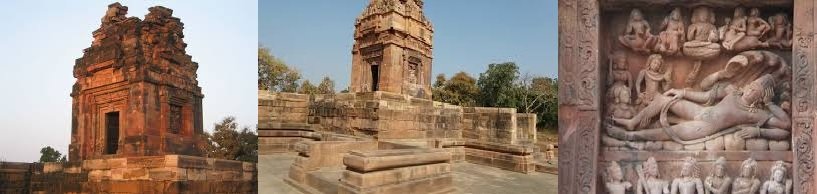
Dashavatara mentioned ten purposeful avatars through which Vishnu set the universe to balance. Each form has its own mission. Every temple sculpture is a metaphor of endurance. Imbued in the temple are the courage of Rama, the grace of Krishna, the strength of Varaha, and many others who have shaped India’s cultural soul. These sculptures act as open books that will teach ancient wisdom through stories of stone.
Architectural Genius Encoded in the Temple
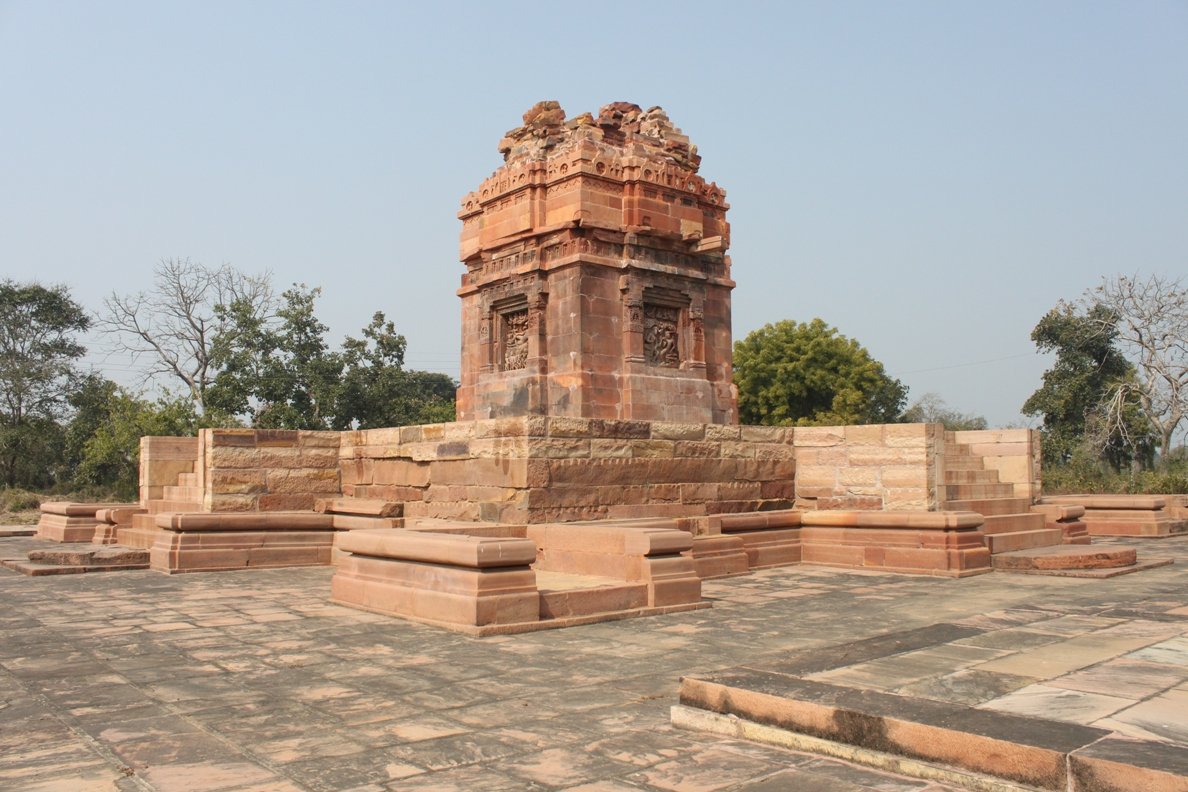
For the most part, the Dashavatara temple of Deogarh contains a refined geometric harmony. It is square in plan but would have boasted a soaring shikhara now vanished, strongly intimated at by its powerful base. Its deep doorways glisten with an immense multiplicity of carvings that seem to be almost alive. Also arranged symmetrically around the main shrine are three subsidiary shrines, revealing the exceptional skill of the architects in symmetry and sacred design.
The Celebrated Varaha Panel
The Temple of Dashavatara at Deogarh is particularly noted for the unsurpassed Varaha panel. Here, Vishnu, in the boar form, lifts the Earth goddess from the primordial waters. The carving gives the sensation of movement, emotion, and divinity. Every fold, every creature, every swirling line imbues that cosmic urgency. Scholars regard this masterpiece as the finest work in early Indian sculpture.
Other Noteworthy Carvings
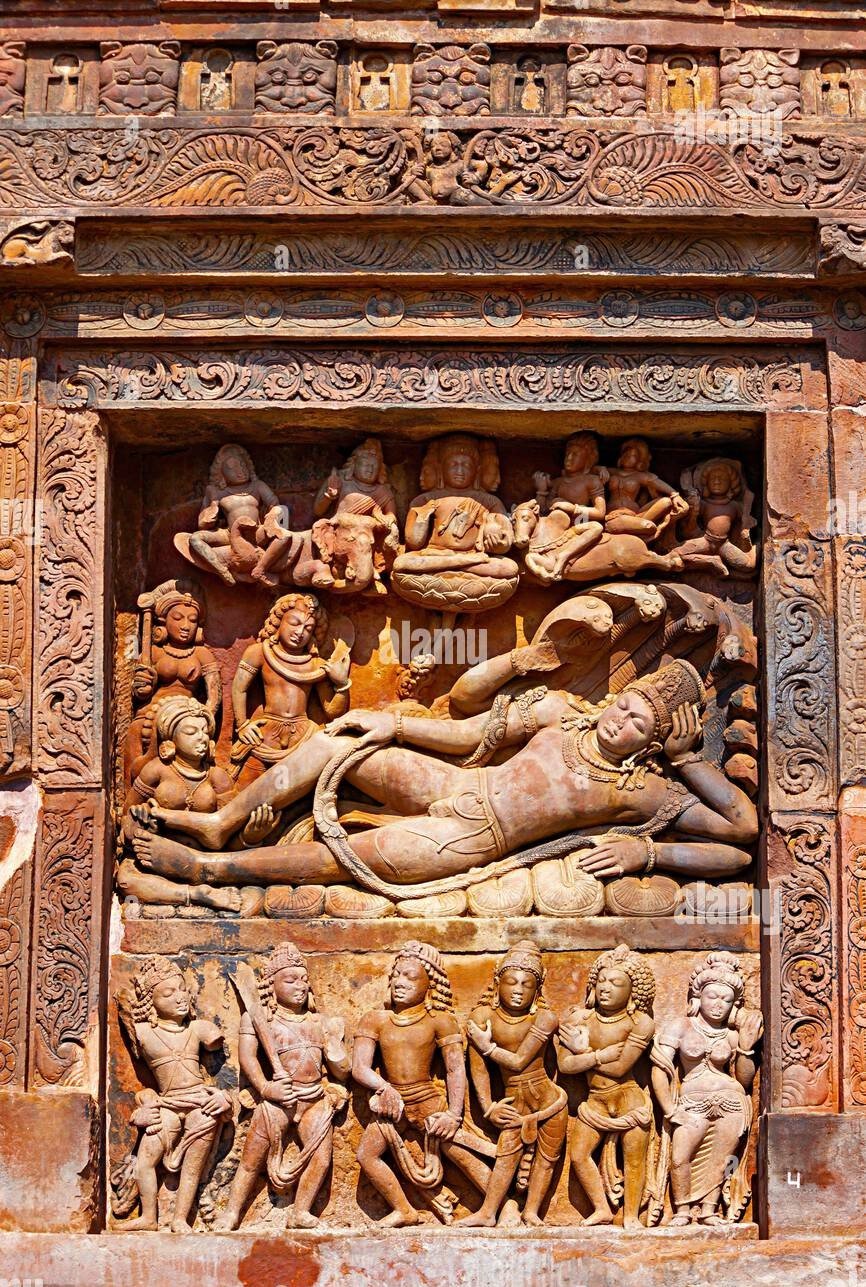
The Deogarh Dashavatara Temple features these sculptures beyond Varaha that depict gods and saints from the great epics and offer worship to some timeless virtues. One of the most powerful images is that of a furious Narasimha, the avatar who is half-lion and half-man, caught right at the moment of his action. The two great epics also contain moral teachings through some of the mythological stories, which come to light through the traditional narrations of the Ramayana and the Mahabharata. The artistry in these carvings brings us little glimpses of how the ancient people looked at issues like bravery and righteousness, and it also captures the subtlety of human existence.
Reflection of Gupta Artistic Splendor
A bright expression of the Gupta-style temple with mild folds and soft expressions is known for such features. Figures feel royal but restrained, powerful yet quiet. The masters of the time knew how to balance force and tranquillity, making their works here shine with elegance, clarity, and emotional depth: bright symbols of Gupta craftsmanship.
Why Students Should Explore the Dashavatara Temple
The Dashavatara Temple, Deogarh, for students, transcends mere structure: it stands as a thriving, carved-in-stone classroom. Inviting young minds to travel through time, unearth creativity in forefathers, and know how stories shaped civilizations. Stirring imagination and inspiring curiosity, such carvings render history alive, nearer, and exciting.
A Vessel of Cultural Memory
It is among the great Indian temples that have been an ideal abode and sanctum of every type of past wisdom ancestral repository in which carved representations unveil the people’s understanding of nature, duty, bravery, and divine protection. Every panel, every figure, every motif gives insight into the moral universe of ancient India, so this temple could easily become for one a gentle past coming into the present.
Experiencing the Temple Today
To the Dashavatara Temple, Deogarh, it is now a simple and calm trip. The scenery is so serene that it almost begs for a walk. The guests have the whole area for themselves to wander, look at the sculptures, snap pictures, and make drawings of the past. The Archaeological Survey of India is in charge of this valuable site, making sure that its beauty will be enjoyed by future generations.
Tips for a Meaningful Visit
- Have pure drinking water in abundant quantity with you during the summers.
- Read a summary of the ten avatars beforehand to enrich your visit.
- Take your time to look into every sculpture-there are details that reveal slowly.
- Respect the monument and refrain from touching the carvings.
The Importance of Preserving the Temple
The Dashavatara Temple, located in Deogarh, represents the most valuable aspect of the cultural identity of India. In guarding this monument, we guard not only a stone but also narratives, recollections, and the morals of ancient India. The conservation measures of today will allow future descendants to experience the temple’s art and hear its spiritual echoes.
What Makes This Temple Unique
The Temple of Dashavatara in Deogarh is one of the few surviving stone temples in India from an early period, whose otherwise artistic planning and narrative concept render it unique. With the mere coexistence of grandeur, it creates a placidly majestic ambiance which very few other buildings can quite match.
Why the Temple Continues to Inspire
The temple is a great source of inspiration since it reflects the brilliant minds behind it. The sculptors created these wonders without the help of present-day instruments or machines; they have nevertheless managed to resist the changes and challenges brought about by time for hundreds of years. The artist’s dream gives us a lesson in tolerance. The quality of the art encourages us to aim for the highest standard. The fantasy of the artists opens our eyes to innovation: making a narrative out of a rock.
Epilogue
The temple of Dashavatara, Deogarh, is a real timeless beauty, a myth, an art, and a cult of unwavering faith. Long before our time, it still speaks even now, and from the very carvings themselves, asks us to live lives endowed with kindness, courage, and wisdom. One can say that this temple has its own story; every story is expressed in every engraved figure; those are history, and therefore, through this study, we are paying homage to our heritage; by conserving them, we are honoring the unmatched beauty of the hands that created them.
FAQs
- What makes the Dashavatara Temple, Deogarh, unique?
The Dashavatara Temple is one of the oldest stone temples in India and bears evidence of intricate carvings of the ten incarnations of Vishnu.
- Who constructed the Dashavatara Temple, Deogarh?
During that period, between the early 5th century and the end of the 7th century AD, which is generally known for its artistic brilliance and cultural prosperity, this temple was constructed.
- What do the visitors see today in the temple?
The visitors can view beautiful carvings of Varaha, Narasimha, and scenes from the great epics of the Hindus.
- Is it easy to visit?
Yes, the temple remains open throughout the year and is very easily accessible.
- Why should students know about this temple?
This temple serves to teach history, culture, and art through simple visual storytelling that raises students’ interest and creativity.
Also Read: Badami Caves Temple – A Profound Guide to India’s Rock-Hewn Marvel