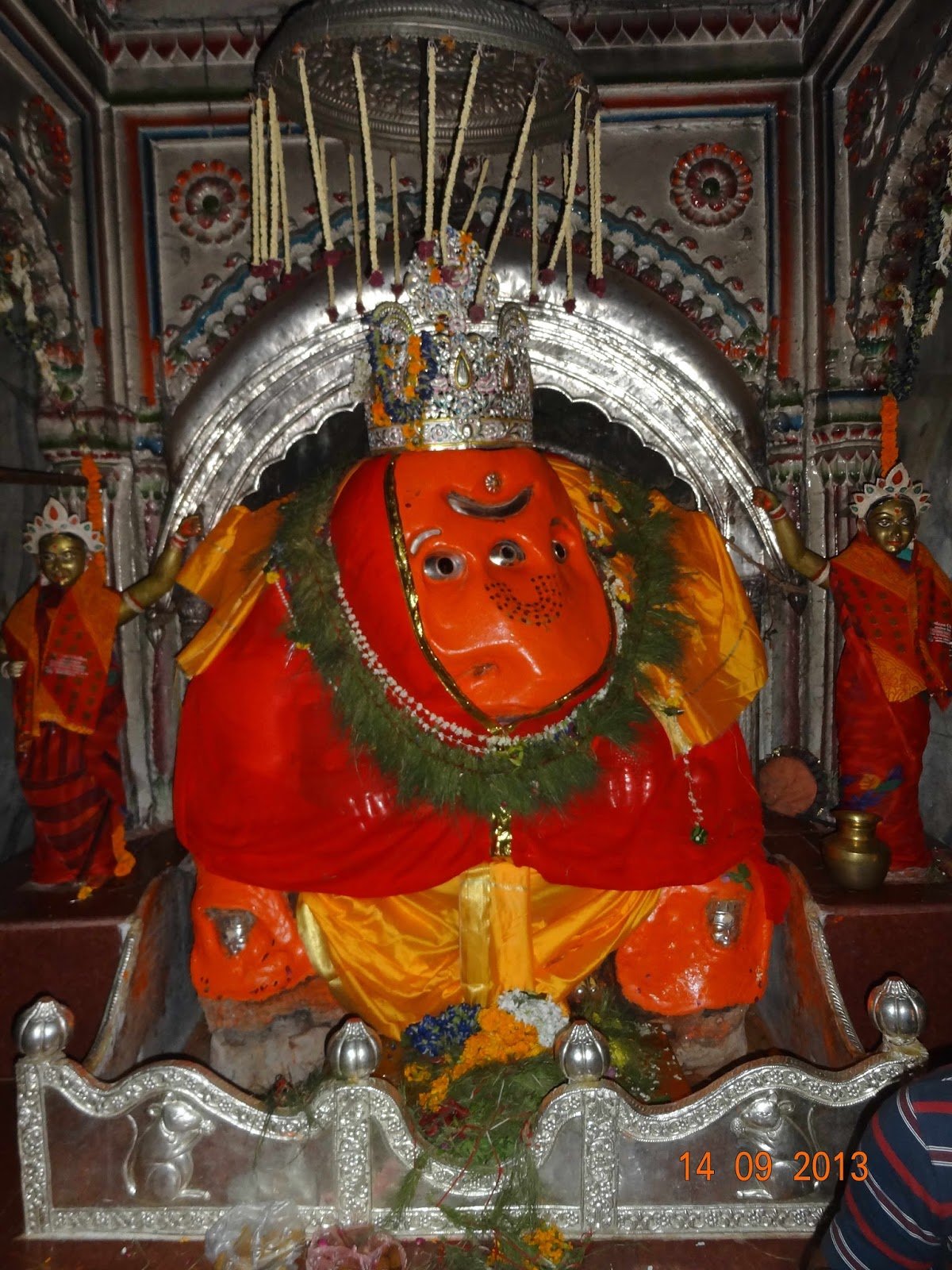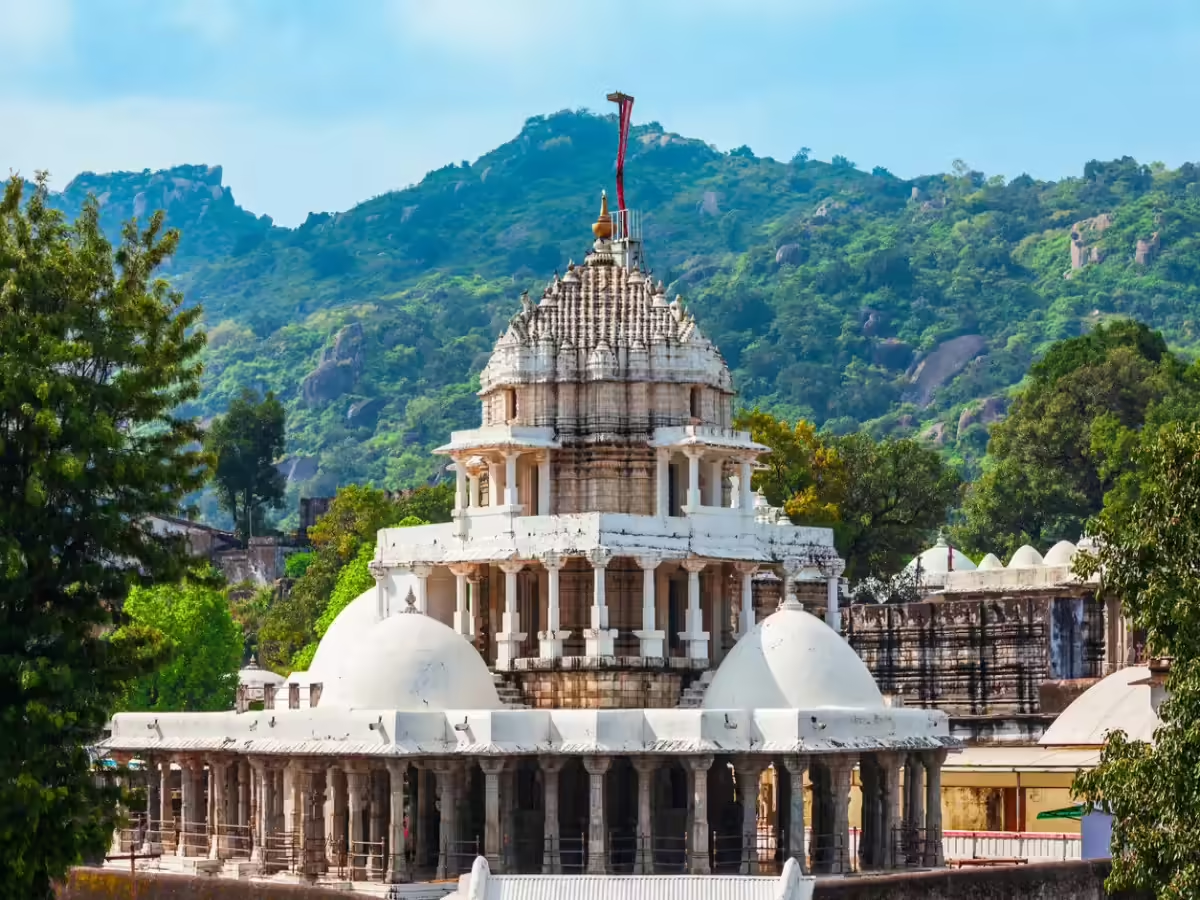
Whether they’re stunningly beautiful or rich with history, there’s one place that combines these qualities, at least for me anyway. This was the Dilwara temple. The impressive marble carving work of the Dilwara Jain temples is located near Mount Abu in Rajasthan. On seeing them for the first time, one may think they are merely walls of temples. But when you go inside, all you can do is stare in awe at their wonderful marble artworks. From their wall surfaces to their pillars, ceilings, and doorways, everything looks so artistic. So what kind of question arises in your mind here: “How does someone carve this delicate stuff from mere aggregate”?
A Quiet Outside, a World of Wonder Inside
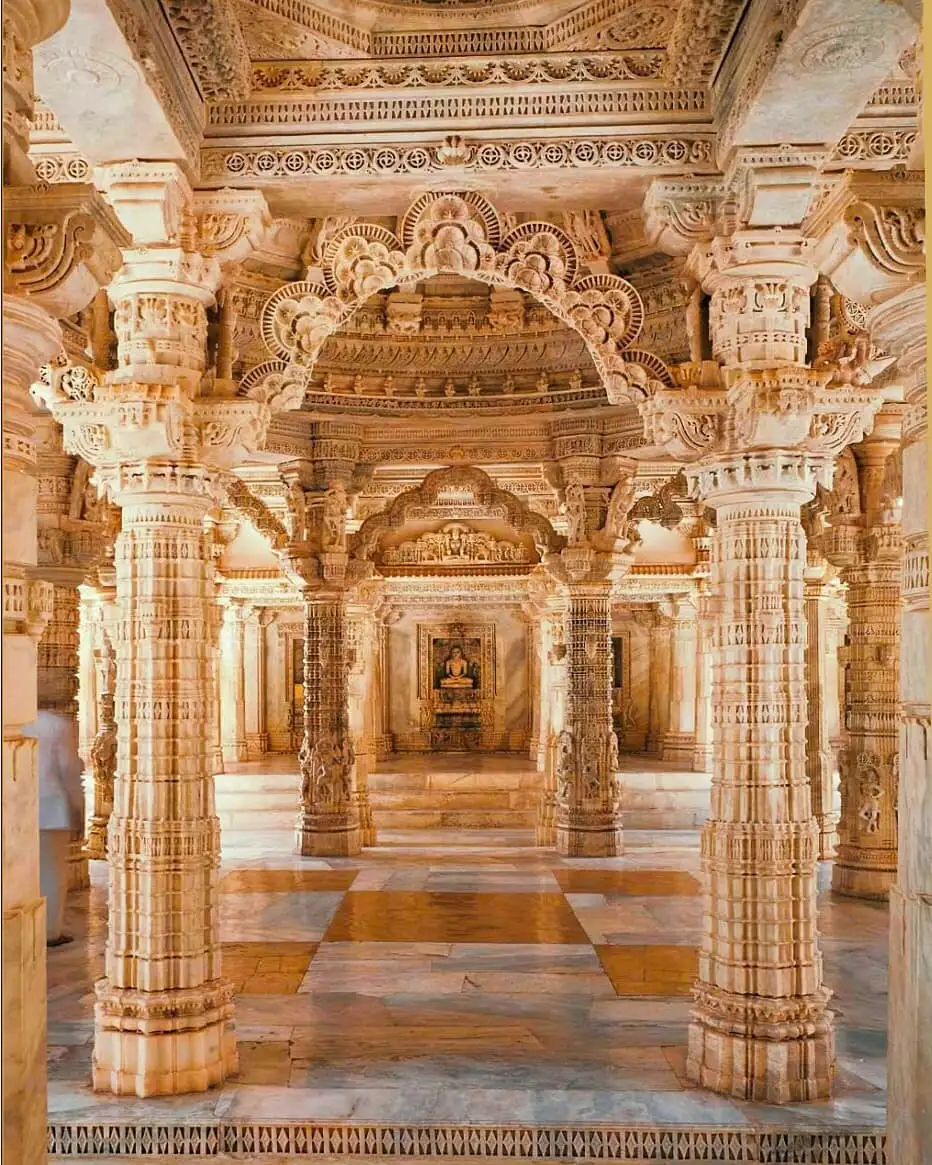
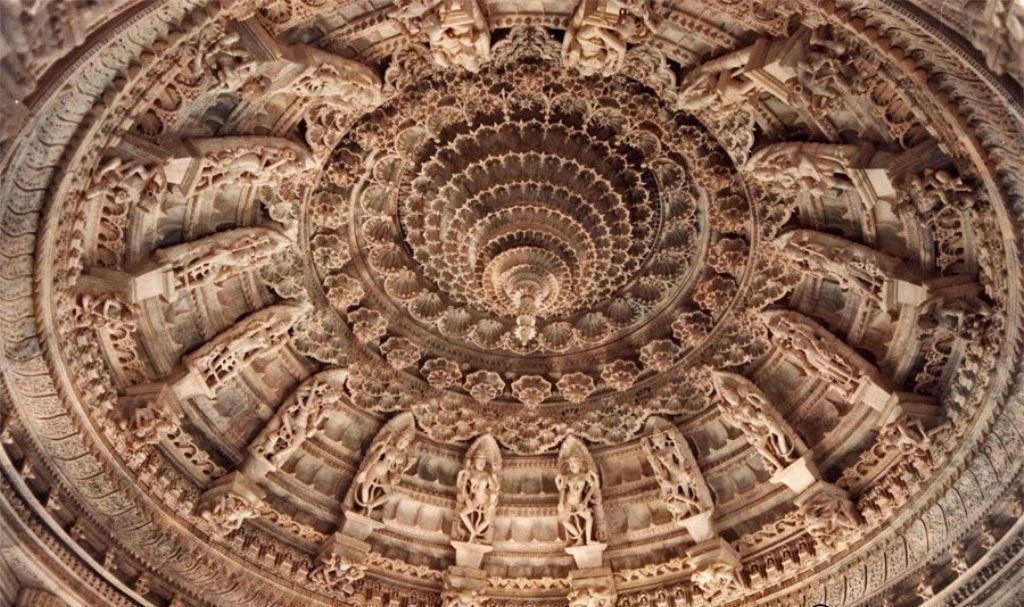
Many first-time visitors are taken aback by the contrast. Well, the outside of Dilwara Jain Temples does not outwardly earn quite a racket for attention. But inside, marble kind of comes to life. Flowers bloom from ceilings. Patterns flow across pillars. You will find the elaborate shapes in odd places. Your brain begins to go looking for explanations. Isn’t stone meant to be hard and heavy? But the carvings look soft, light, and sometimes even rubbery. One of the most interesting aspects of the Dilwara Temple architecture. So, it reprograms your mind to look at marble differently.
Dilwara Temple History: Built with Patience, Not Hurry
Dilwara Jain Temple’s history dates back many centuries. This temple complex began being constructed between the 11th and the 16th centuries. Its oldest, and probably best-known temple, is the temple of Vimal Vasahi and was dedicated in memory of the first Jain Tirthankara, Adinath. The Luna Vasahi is another famous temple, which was erected in remembrance of Neminath. It is also known for its beautiful marble work. Imagine a world that existed when these temples were built. No electric cutting machines, no building equipment. Artists relied upon talent, experience, patience, and acute vision.
When Marble Starts Playing Tricks on the Brain
Something interesting for readers is that Dilwara Jain Temples create a twinkling visual. We assume things really, really fast as human beings. Our expectation is that when we see marble, something heavy and solid. But the inside carvings of Dilwara Temple contradict that notion. Certain designs look as lightweight as lace. Some resemble soft blooms or hanging ornaments. Your eyes know they are made from stone.
Five Temples, Five Sacred Stories
The complex comprises five major temples of the Dilwara Jain Temples. These temples are dedicated to revered Jain Tirthankaras and commemorate different styles of Jain art and architecture, as well as the respective periods. Vimal Vasahi and Luna Vasahi are the well-known temples. The other temples in the complex are Pittalhara, Parshvanath, and Mahavir Swami. Every temple has its own artistic personality. Yet they are all cut from the same cloth. We respect faith, discipline, and good craftsmanship. The complex has a walking path that reads like chapters of the same great novel. Each temple just contributes another chapter to the story.
The Small Details That Create the Biggest Impact
The size of a lot of famous buildings makes them impressive to people. The Dilwara Temple follows another route. It garners your attention through specifics. A tiny design on the column is as delightful as a whole hall. A flower carved on the ceiling will continue to interest you more than a giant monument. This provides an intriguing lesson about the human brain. Most of us are conditioned to believe bigger is better.
Why Dilwara Temple Feels Different from Other Monuments
The Dilwara Temple is not a place to be checked off as a regular religious or pictorial trip. The temple challenges you to go slow. That alone makes it special. Our brains are used to moving fast in modern life. Scrolling, swiping, clicking, and hustling. Then there are the Dilwara Jain Temples, giving a tentative idea of the other way. Look longer. Notice more. Be curious. Someone who turns off all distractions for ten minutes to study just one marble ceiling may remember it better than someone who runs hurriedly through the entire complex.
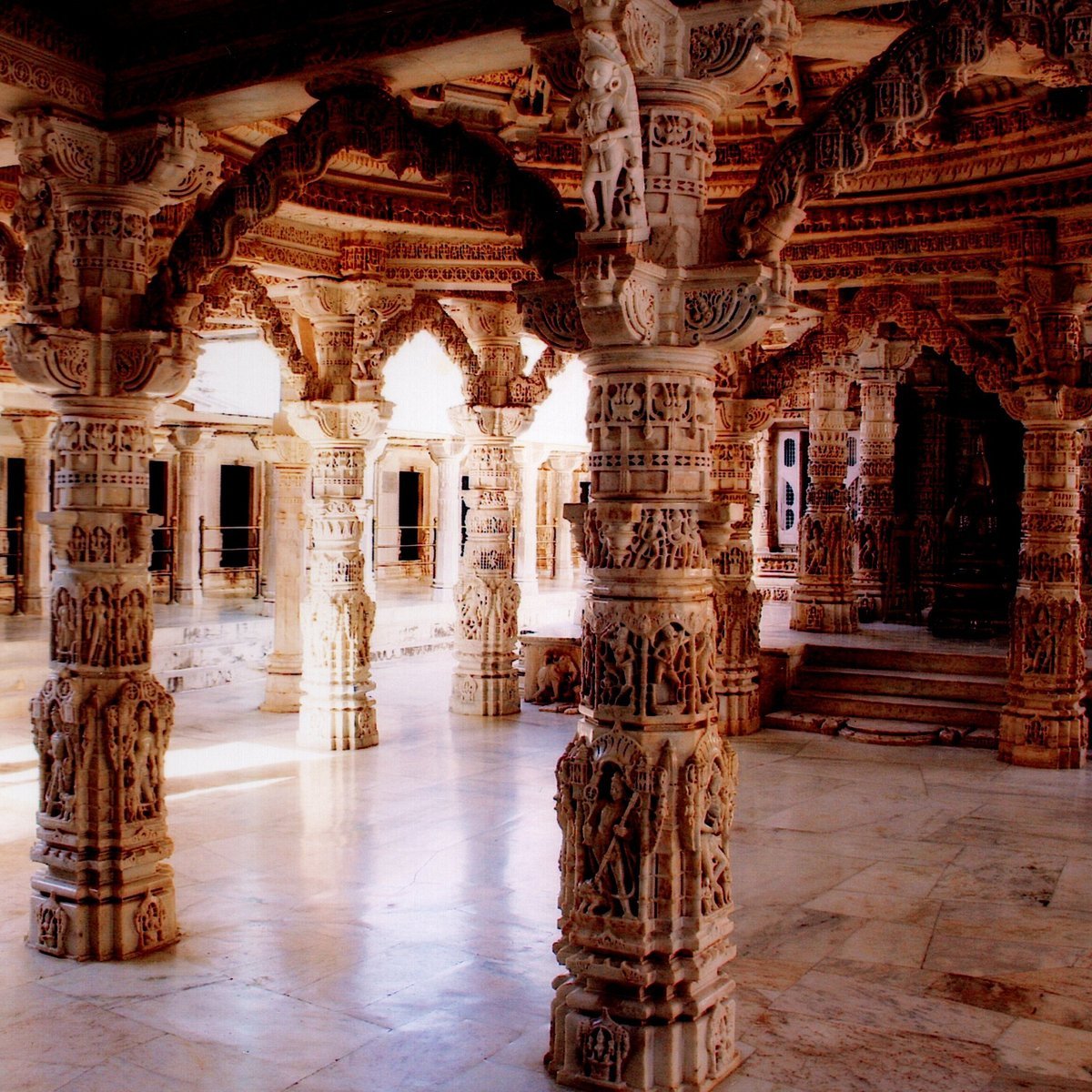
Dilwara Temple Architecture: A Lesson in Human Skill
The architecture of the Dilwara Temple stands as marvellous craftsmanship. The marble sculptures show balance, creativity, and great mastery. But the main thing isn’t even the final product. The thought behind the work is what gets delivered. Every design had to be imagined by someone before it came into existence. Somebody needed to figure out just how deep to cut into the marble. Somebody had to say, this is where one pattern ends and another pattern begins. And that is what makes the temple so, so human. Every beautiful design you saw was made by humans solving a problem.
A Sacred Place, Not Just a Tourist Attraction
While the Dilwara Jain Temples are undoubtedly stunning. it is also a holy religious site. The temples are a matter of faith and spiritual devotion for the followers of Jainism. This is why visitors need to respect such surroundings. Part of the experience is the peaceful atmosphere. Silence helps you see things that noise blocks. The presence of respect also safeguards the meaningfulness of a place. Today, when we journey back in time and discover the place, we must remind ourselves that this site from history isn’t history itself but a meaningful place for so many people in the present.
The Best Human Lesson Hidden in Marble
The simplest yet most powerful lesson of the Dilwara Temple is that amazing work takes time to happen. Today, everyone wants faster results. We demand immediate replies, immediate triumphs, and instant gratification. The temple is a reminder that the best things come with time. A marble detail needs to be slowly hand-carved, not rushed out; otherwise, the form is lost.
Cessation
Certain places like the Dilwara Temple get etched into the memory long after you leave. The white marble carvings are beautiful, but deep down, beauty was only one side of the coin. Patience, imagination, belief, and human ability all of these are represented by the temple. However, what makes the Dilwara Jain Temples absolutely unique is their eyes changing. They teach us to pause. They encourage us to notice. And they remind us that a human hand, suggesting the right thing to do from a human mind, can take something mundane and make it magical. That really may be the biggest sorcery of the Dilwara Temple.
Also Read: Kanak Bhawan: The Golden Story Hidden in the Heart of Ayodhya