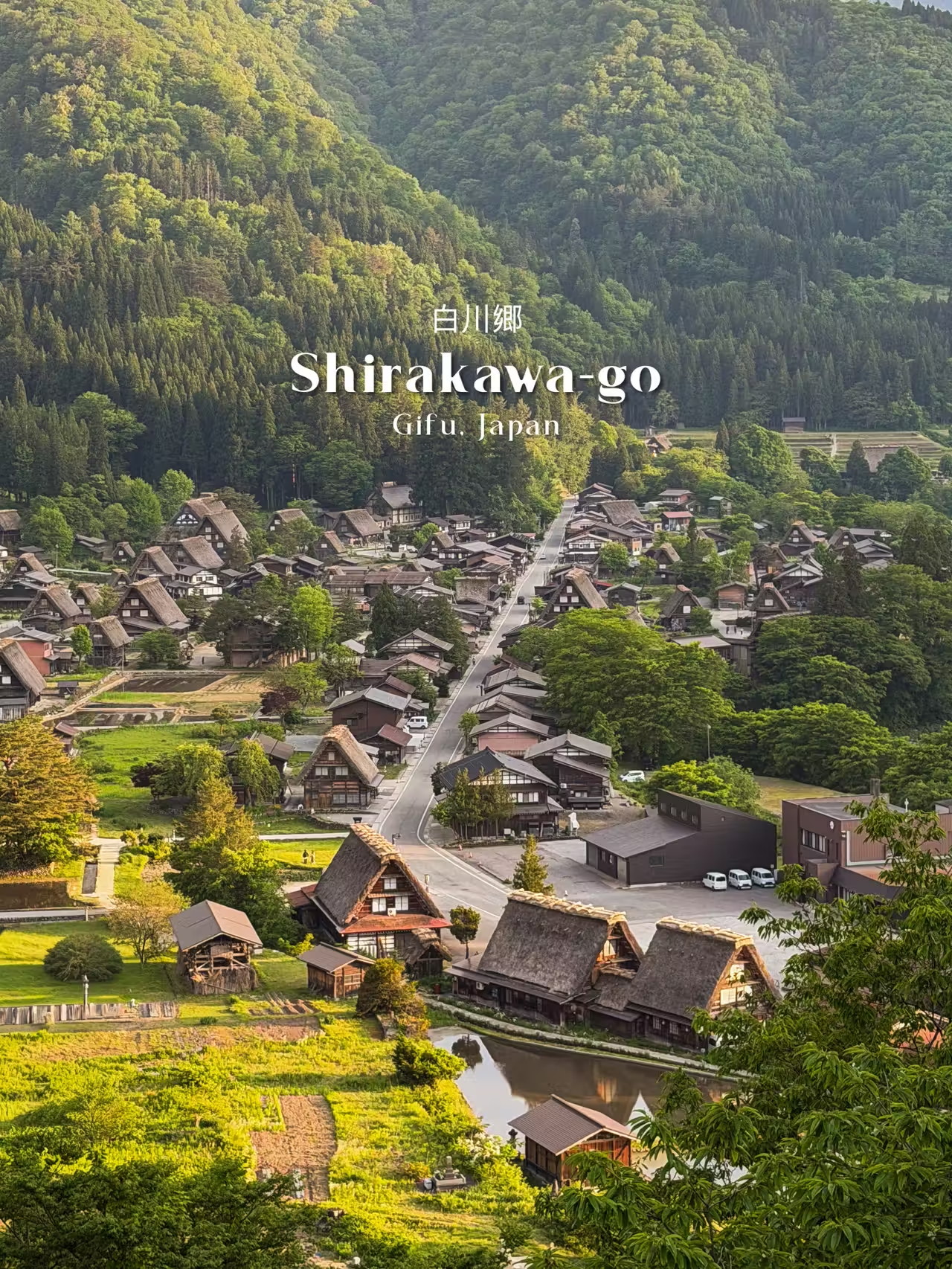
Some places you visit more for a picture; others stay with you because of the emotions they evoke. Shirakawa-go, Gifu Village, belongs to the second group. Deep in the central Japanese mountains, Shirakawa-go appears the perfect model village from a fairy tale; however, it is not a made-up travel exhibit-they live there, work there, day by day, protecting the village, which seems sufficient to take Shirakawa-go to another dimension.
Where Is Shirakawa Village?
The village has an administrative core in the northwestern region of the prefecture and is in a mountainous area with huge snowfall during winters. People there didn’t have access to the cities located on the lowlands at all.
The geography and weather there resulted in their community finding out their own ways of surviving. People who lived in that community were those that was found to be good at building village structures that were hard for the wind to turn over. Also, the society established stronger relationships as well.
More than a decade later, it is relatively easy to tell Shirakawa-go from the rest. Its traditional houses lie between green fields, narrow streets, streams, and mountains. The village website describes the place as one where traditions and cultures withstand the test of time.
The Roofs That Tell a Story
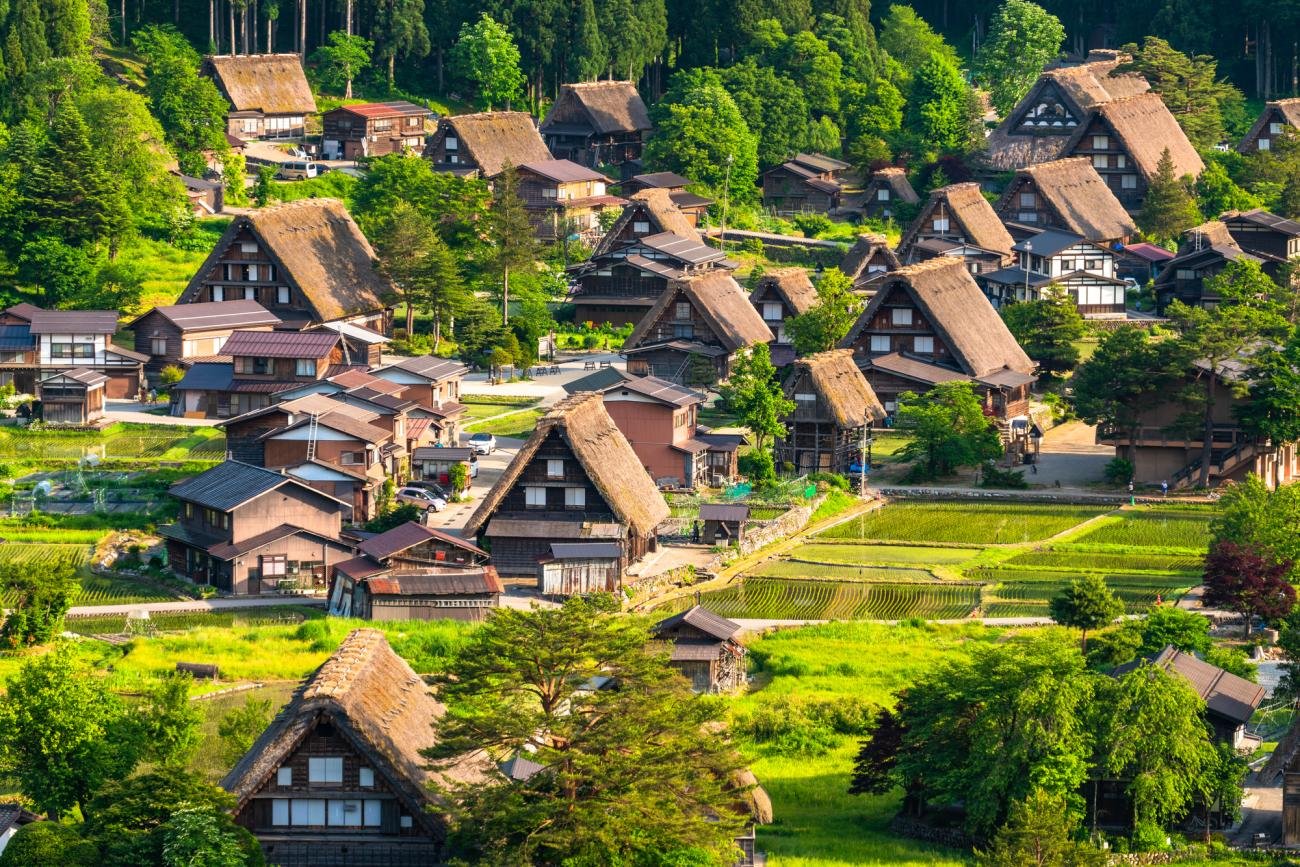
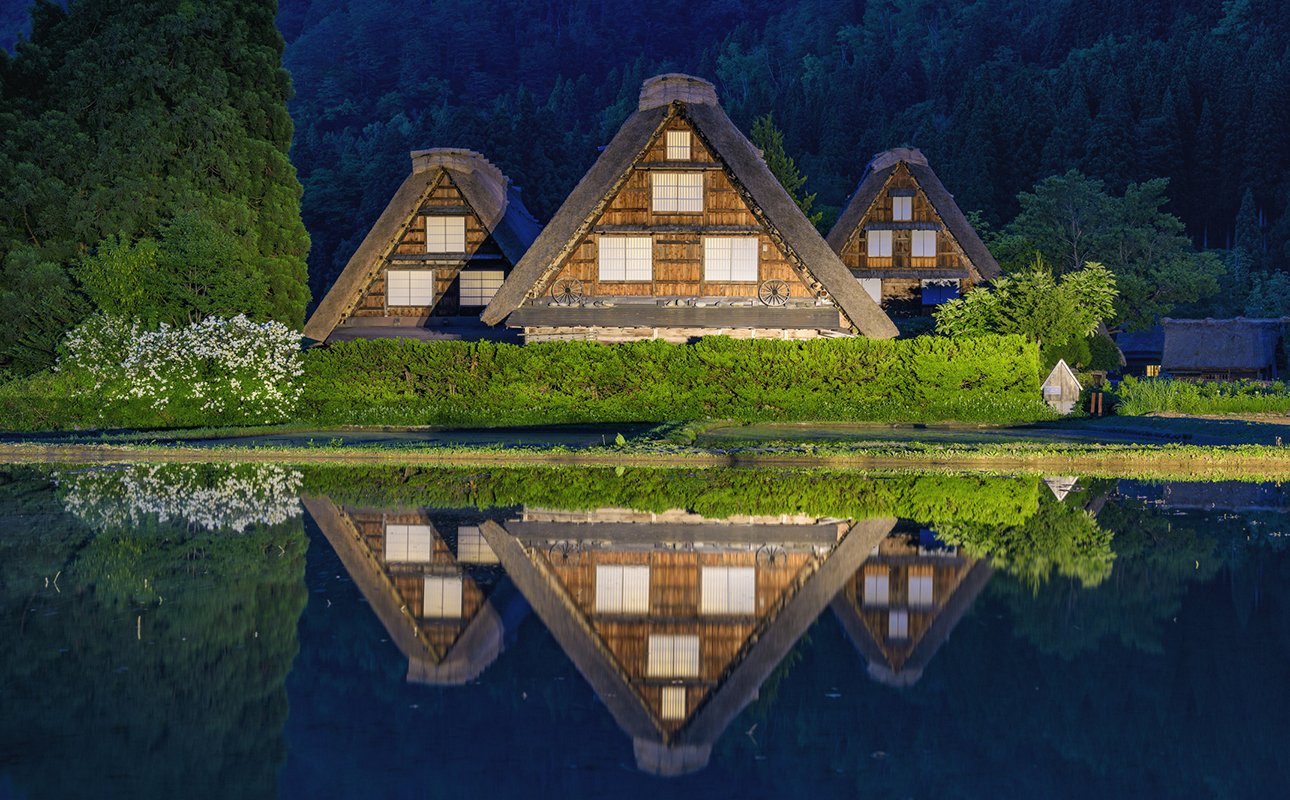
Gassho-style houses are the first thing you notice in Shirakawa-go. The roofs are huge. They are also very steep. From afar, they are like two palms together in prayer. This is not only visually pleasing in and of itself. It has a practical reason.
Shirakawa-go receives heavy snowfall. Steep roofs allow snow to slide off rather than accumulating on the building and burying it under a heavy load of snow. According to UNESCO, these houses are the last rare example of traditional architecture adapted in close harmony with the environment.
Why Shirakawa-go Feels Different
Many tourist attractions show you something from the past. Shirakawa-go does something different. We can trace the influence to the current day. Several of these historical houses are lived in now. Others invite you to look inside.
Even the fields all around you, even your own path, are not yours alone but belong to the community as well. The historic Shirakawa-go and Gokayama villages were officially named as part of a UNESCO World Heritage Site in 1995. Shirakawa-go has Ogimachi within its boundaries, as do Ainokura and Suganuma of neighbouring Gokayama.
A Village Built on Teamwork
You live in a village in the mountains; winters can often make everything white. Then let’s say your neighbor is having problems fixing up a real home. Shirakawa-go has long traditions of community cooperation. An effort by residents has been made to preserve traditional buildings and their setting. The survival of community structure in the village and its traditional management practices is also emphasized by UNESCO. It is what, in turn, makes Shirakawa-go feel almost modern. People today talk about teamwork as if it were some sort of novel concept. Teamwork has stood guard over a community for generations here. And that might be the village’s most important lesson.
Ogimachi: The Heart of Shirakawa-go
Shirakawa-go is home to the most well-known historic village, Ogimachi. At its best, strolling through Ogimachi feels bizarre. You will see an ancient wooden house, a stream passing in the middle of farmland, and a mountain ahead; all in the same lens. Nothing screams at you for your attention. Instead, the voice in the village counsels you to take your time. Notice the wooden walls. See the clouds pass through the mountains. Listen to the water. And then gaze upwards to the roof above you. Yes, suddenly, a house is not merely a structure anymore. It becomes proof that we are both patient and skilled.
The Beauty of Snow
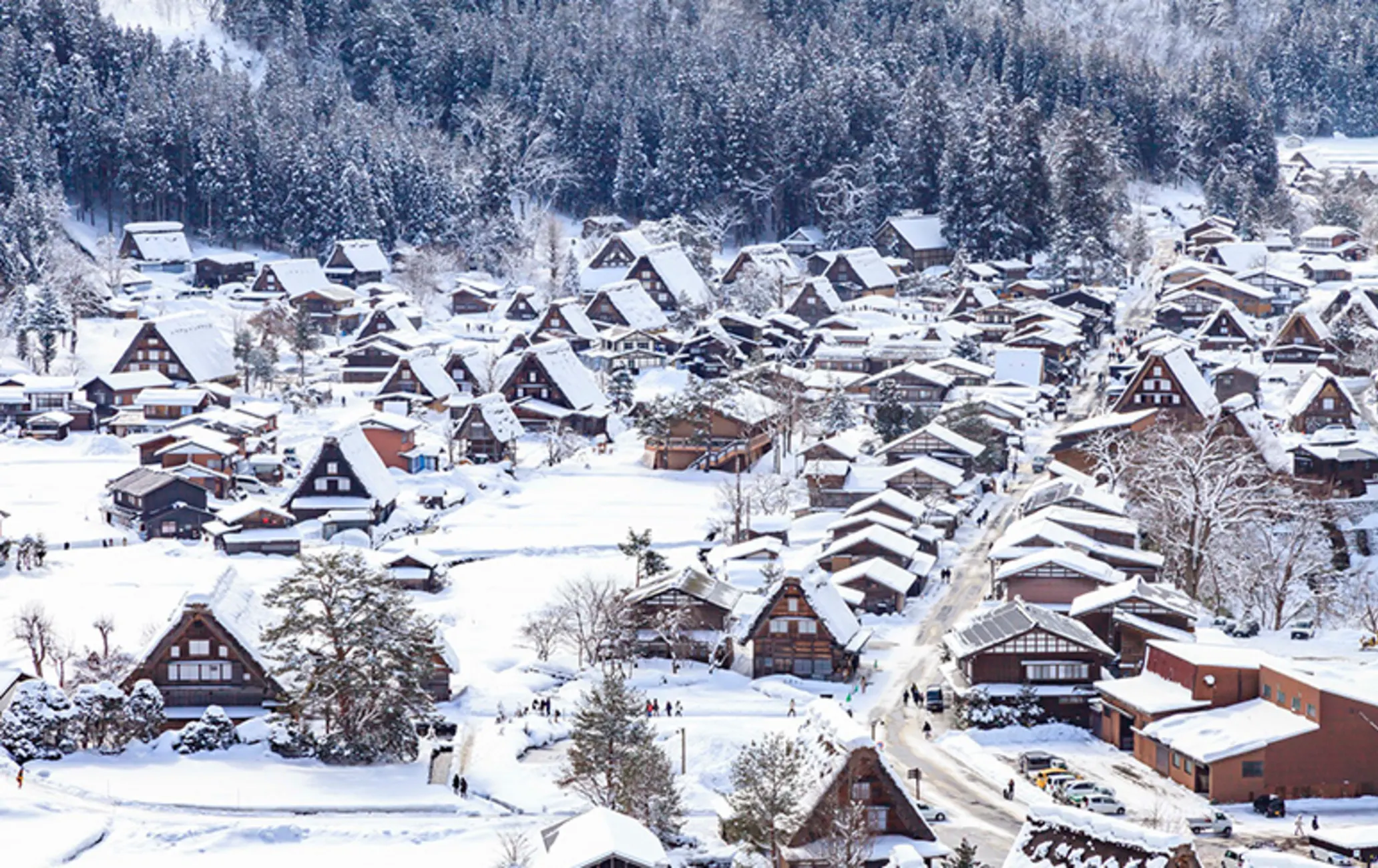
course, the quintessential Shirakawa-go picture is in the winter: snow covers the roofs and the land; black houses face the white surroundings. At night it is even more delightful, houses glowing from the inside. In the winter, however, it’s no joke: snowy and icy conditions from the end of December to the beginning of March, and you would do best to equip your car with winter tires, says village info; so the warning is attached to that picture of delight. Because even visiting the most beautiful places can impose difficulties.
What Should You Do in Shirakawa-go?
It may sound basic, but it will be a real experience. Stroll along Ogimachi; visit the buildings available for touring. Montana ridges and slopes, fields, landscape views of the mountains.
Have some of the local cuisine. The key is to not forget to capture photos, but also put the camera down once in a while. This bit is important. If not, the result of your visit might be seeing pictures of the village through your lens, instead of enjoying it yourself. It might be the time to be present and in silence.
The Village Is Not a Theme Park
The official responsible tourism guidance asks visitors to respect private property and local lifestyles, and also the environments of the villages. The notice also warned visitors not to wander into private areas just to take photographs. That rule makes perfect sense. Picture someone coming into your garden just because it looks nice in a picture of your house. You would most likely feel uncomfortable with it. The same idea applies here. Take pictures from public places. Follow local signs. Keep noise low. Treat residents with respect. But great travelers do not say, “What can I get from this place? They also ask: “What can I leave behind?
Fire Is a Serious Concern
Another responsibility is created by traditional thatched roofs. These historic buildings are quick to burn. As a result, villagers take it upon themselves to plan and patrol against fires. Three fire prevention patrols are conducted each day, an official village website says.
A Different Kind of Travel
One single building does not make the most interesting destination. It is the feeling of time. Modern cities move quickly. Trains come and go, phones ring, traffic moves, and people hurry. Shirakawa-go encourages the opposite. You walk. You look. You wait. You notice. To begin with, that slower rhythm can be slightly odd. First, it’s jarring; then, after a moment, patience is relaxing. Maybe that attention to detail is why Shirakawa-go stays with people long after they head back home.
When Should You Visit?
The four seasons lend Shirakawa-go its many faces.
- Winter is snowy, with the classic white-roof scene.
- Spring brings fresh green landscapes.
- Summer offers lush mountain views.
- The surrounding hills are dressed in autumn colors.
There is no one best season. It all depends on what you have in mind. Winter is an easy pick if snow is a must-have for you. If you enjoy taking long walks, warmer seasons might be a better option for you.
Denouement
People encountered extreme snow conditions, tough mountains, and isolation. In turn, they built inventive homes, farmed carefully, and developed robust community ties. Visitors today are still able to see the effects, generations later. However, in the nearby village, it also teaches something more subtle. Slow down. Look closely. Respect where you are. Every beautiful place has people behind it; keep that in mind, Penny. That’s what makes Shirakawa-go worth visiting. You approach with the hope of a great photograph. But with any luck, you will also walk away with something better: an enhanced understanding of how everyday people can accomplish miraculous things when they work with nature and each other.
Also Read:Nuuk, Greenland: The Arctic Journey That Changed My Idea of a Capital City