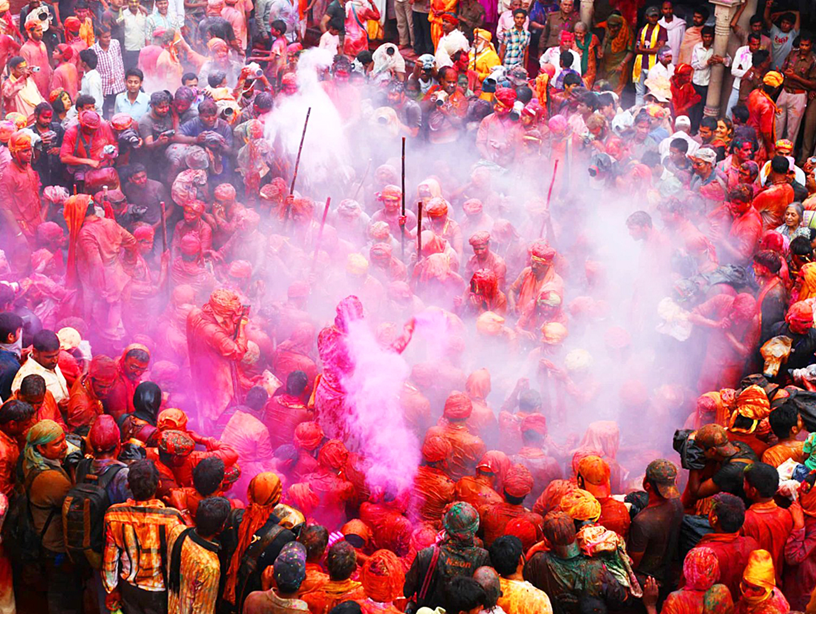
Holi, the festival of colors, is celebrated across India with great enthusiasm, but experiencing Holi in Pushkar, Rajasthan, is truly something special. Known for its spiritual atmosphere, scenic ghats, and historic temples, Pushkar transforms into a lively hub of music, dance, and color during this spring festival. Pushkar Holi is not just a celebration—it is an unforgettable cultural experience that brings together locals and travelers from around the world.
Located near Ajmer in Rajasthan, Pushkar is one of India’s oldest towns and holds deep religious significance. It is home to the famous Brahma Temple, one of the few temples dedicated to Lord Brahma in the world. While the town is known for its annual Pushkar Camel Fair and serene lake, Holi adds a completely different dimension to its identity. During this festival, the quiet streets come alive with joy, laughter, and bursts of vibrant color.
The Significance of Holi
Holi marks the arrival of spring and symbolizes the victory of good over evil. It is celebrated on the full moon day (Purnima) of the Hindu month of Phalguna, usually falling in March. The festival has both mythological and seasonal importance. The story of Prahlad and Holika is central to Holi, representing devotion and the triumph of righteousness. The festival also celebrates love, unity, and the breaking down of social barriers.
In Pushkar, these themes of unity and celebration are visible everywhere. People from different backgrounds gather in the main square, near the Brahma Temple, and along the narrow streets to participate in the festivities. Differences of nationality, language, and culture seem to fade as everyone becomes part of the same colorful celebration.
The Unique Atmosphere of Pushkar Holi
What makes Pushkar Holi stand out is its energetic yet welcoming environment. The main celebrations usually take place in the town square, where locals and visitors gather to throw gulal (colored powder), dance to music, and enjoy the festive mood. Traditional Rajasthani beats mix with modern music, creating a lively atmosphere that continues for hours.
Unlike large metropolitan cities where celebrations may feel crowded or overwhelming, Pushkar offers a more intimate and community-driven experience. The compact layout of the town makes it easy to move around and fully immerse yourself in the event. Rooftop cafes and guesthouses provide a great view of the colorful scenes below, adding another layer of excitement.
As the day progresses, the streets become a canvas of pink, yellow, green, and blue. Smiles, laughter, and friendly greetings of “Happy Holi” fill the air. It is common for strangers to exchange colors as a gesture of goodwill and celebration.
Holika Dahan: The Night Before
The festivities in Pushkar begin with Holika Dahan, which takes place on the evening before the main day of Holi. Bonfires are lit in various parts of the town to symbolize the burning of negativity and evil. Families gather around the fire, offer prayers, and perform rituals. This moment carries deep spiritual meaning and sets the tone for the joyful celebrations that follow.
In Pushkar, Holika Dahan is observed with traditional devotion. Locals visit temples, participate in ceremonies, and prepare for the next day’s festivities. The combination of spiritual rituals and vibrant celebration reflects the town’s unique character.
Music, Dance, and Celebration
Music plays a central role in Pushkar Holi. Drummers and local performers create a festive rhythm that encourages everyone to dance. The beats of dhol and other traditional instruments echo through the streets. Many visitors join spontaneous dance circles, making the celebration feel inclusive and spontaneous.
In recent years, organized events and DJ performances have also become part of the celebration. However, the heart of Pushkar Holi remains rooted in community participation rather than commercial spectacle. The joy comes from shared moments, colorful faces, and the simple act of celebrating together.
Cultural Exchange and Global Appeal
Pushkar Holi has gained international popularity over the years. Travelers from across the globe plan their trips to coincide with the festival. For many, it is a chance to experience Indian culture in its most vibrant form. The town’s relaxed atmosphere and friendly locals make it an ideal destination for first-time visitors.
Despite the large number of tourists, the celebration retains its authenticity. Local traditions, temple rituals, and family gatherings continue alongside the public festivities. This blend of global participation and local heritage makes Pushkar Holi unique.
For visitors, it is more than just a festival—it becomes a cultural exchange. Conversations, shared meals, and collective celebrations create lasting memories and friendships.
Food and Festive Treats
No festival in India is complete without special food, and Holi is no exception. In Pushkar, local eateries and homes prepare traditional sweets and snacks. Gujiya, a sweet dumpling filled with khoya and dry fruits, is a popular treat during Holi. Thandai, a refreshing milk-based drink flavored with nuts and spices, is also commonly enjoyed.
Pushkar is known for its vegetarian cuisine due to its religious significance. During Holi, restaurants offer festive menus featuring Rajasthani dishes and seasonal specialties. Sharing food adds warmth and hospitality to the celebration.
Tips for Experiencing Pushkar Holi
If you plan to experience Pushkar Holi, a few practical tips can help you make the most of it:
-
Wear comfortable clothes that you don’t mind getting stained.
-
Use natural or organic colors when possible.
-
Keep your belongings secure in waterproof bags.
-
Stay hydrated and take short breaks if needed.
-
Respect local customs and traditions.
The spirit of Holi is about joy and respect. Participating with a positive attitude ensures a safe and enjoyable experience for everyone.
A Celebration of Unity
At its core, Pushkar Holi represents togetherness. It breaks social barriers and encourages people to celebrate as equals. The simple act of applying color to someone’s face symbolizes acceptance and goodwill. In a world often divided by differences, this message of unity feels especially meaningful.
The setting of Pushkar—with its sacred lake, temples, and desert backdrop—adds depth to the celebration. The spiritual energy of the town blends beautifully with the vibrancy of Holi, creating an atmosphere that is both lively and meaningful.
Conclusion
Pushkar Holi is more than a festival; it is an experience that combines culture, spirituality, and celebration in a truly unique way. From the sacred rituals of Holika Dahan to the colorful explosion in the town square, every moment reflects joy and connection.
Whether you are drawn by the religious significance, the lively music, or the chance to witness one of India’s most famous festivals in a historic town, Pushkar Holi offers something unforgettable. It stands as a reminder that festivals are not just about tradition—they are about people coming together, sharing happiness, and celebrating life in its brightest colors.