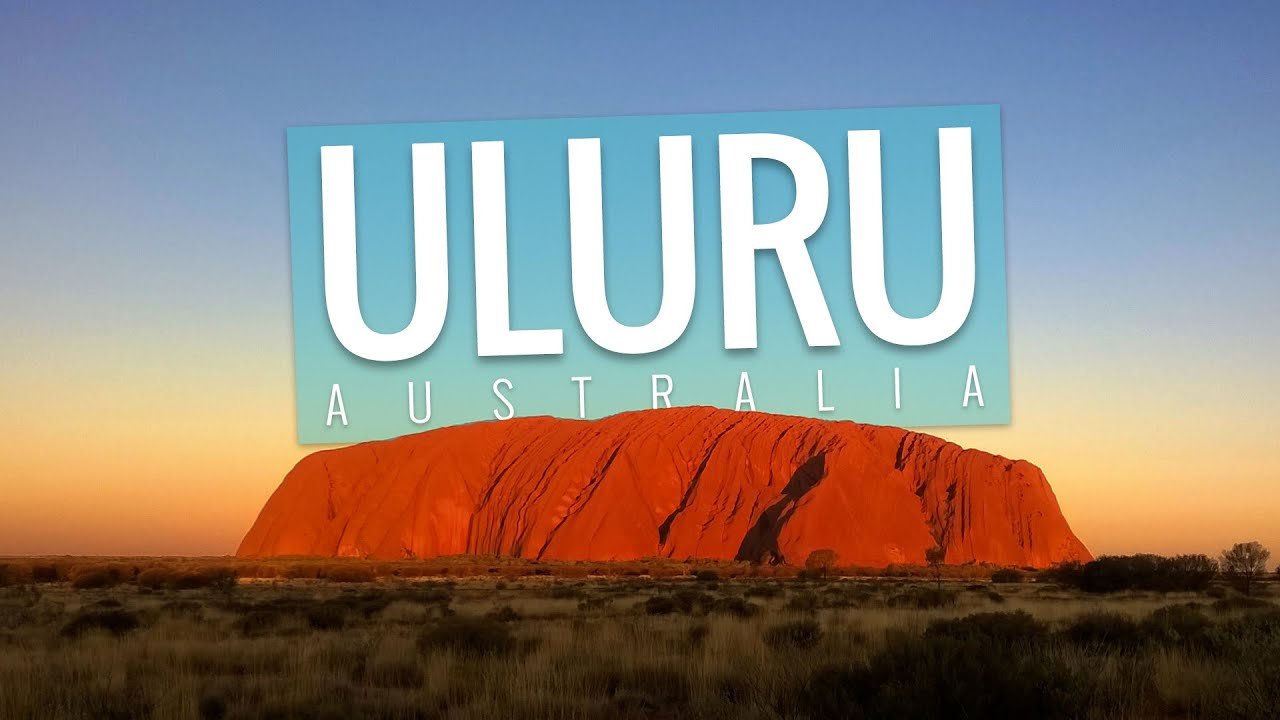
Why Uluru Rock Feels Different From Any Other Place
Out here, dawn paints the massive red stone in soft gold. Silence hangs heavy, yet light. Time stretches thin, maybe even stops for a moment. That wide-open earth, flat, endless, spreads in every direction. One begins to understand then, quietly, what some mean by calling Uluru the soul-center of the land.
Right in the heart of Australia’s dry outback stands Uluru, known far and wide as a rare sight on Earth. Truth be told, it isn’t just another place where travelers snap pictures before moving on. Woven into its red rock are layers of meaning, tales passed down through generations, something quiet but heavy that stays with people long afterward. Few spots manage to hold such weight without saying a word.
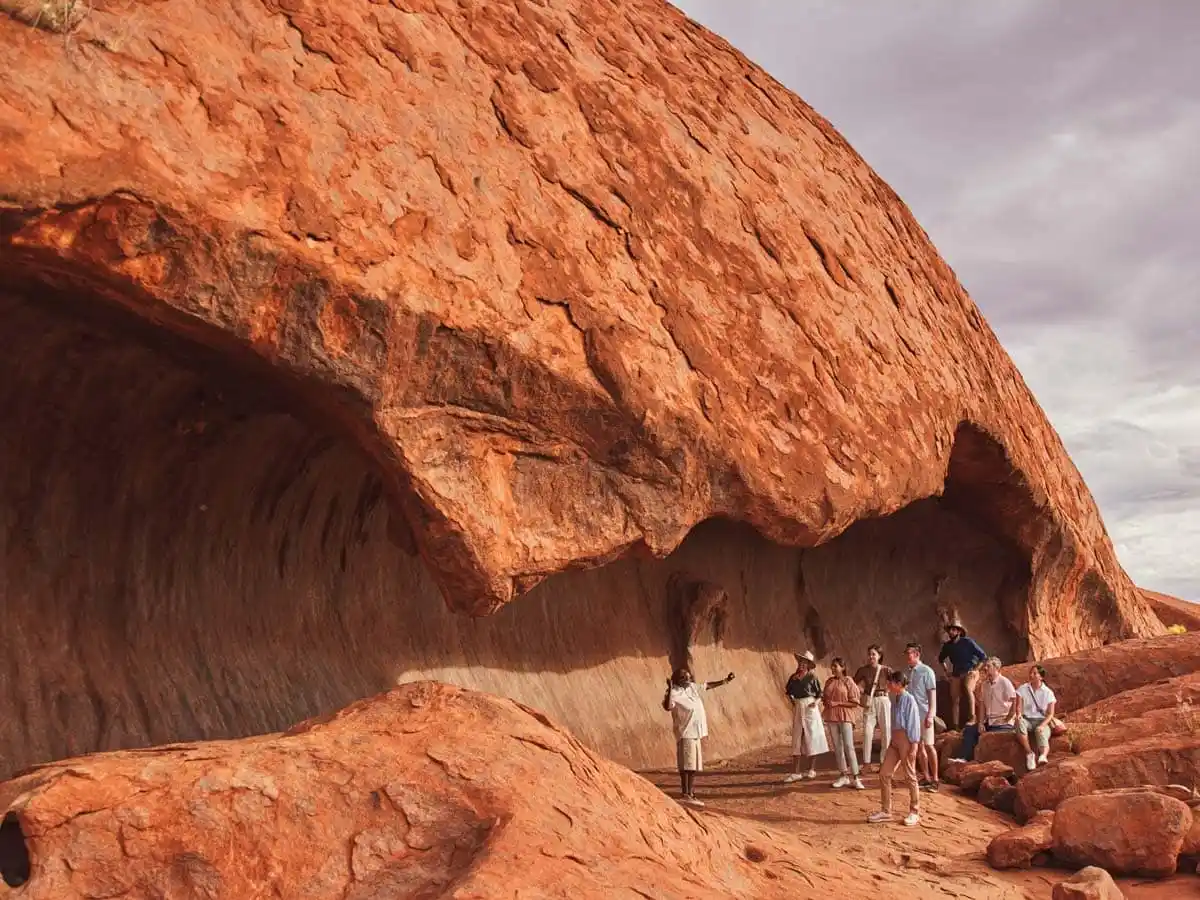
Out of nowhere, Uluru appears just like any boulder plain, still, unimpressive. But wait a bit; something shifts when you step nearer. Colors rise from its skin, rich rust tones pulsing under light. Hidden gaps along its base guard old drawings, placed there long before now. A hush rides along the dirt, slow, never pushing. Because of that, many who pass through mention a quiet feeling, oddly tender, somehow calm.
For generations beyond count, the Anangu have stood guard over Uluru. Every ridge, every shadow ties into stories of kin, journey, and belief. So it’s more than stone shaped by time – this place breathes with meaning today. History lives here, not behind glass but under open sky.
The Amazing History Behind Uluru Rock
Deep below ancient ground, layers began stacking when sand and bits clumped somehow – over half a billion years ago near Uluru. Slow shifts underground lifted the mass while elements tugged at its edges. Air scraped across it for ages, water chipped here and there, shaping what stands now. Time folded around it, leaving form revealed through gradual wear.
Standing at about 348 meters tall, Uluru reveals only a fraction above ground. What surprises many? The bulk hides beneath the earth. Scientists believe it stretches kilometers downward, out of sight.
Long ago, Anangu settled near Uluru. Through song, movement, and markings on rock, they passed down what mattered most. Not merely tales of old; these reveal how the earth shifted into place. Because of them, certain spots still hold deep meaning today.
Back then, Europeans arrived in Australia during the 1800s. A colonial figure gave it the name Ayers Rock at first. Over time, attitudes shifted because people began honoring native heritage more. Because of that change, the original term Uluru was restored officially. Now, most folks know it by that word instead.
Why Uluru Rock Changes Color During the Day
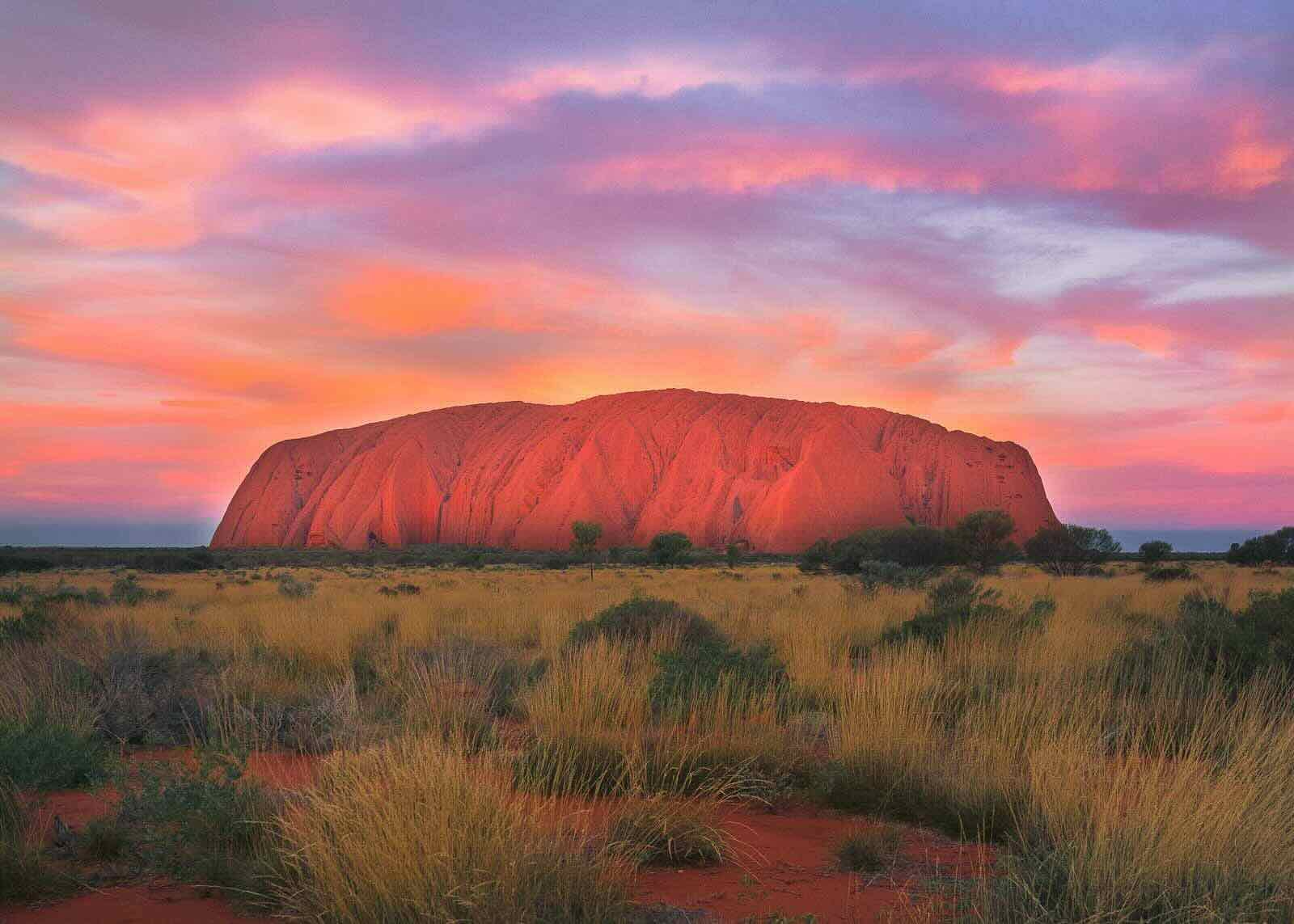
Most folks notice Uluru shifts shades nearly by the hour, as if light plays tricks on stone. Sunrise wraps it in a hazy orange glow, gentle but sharp at the edges. By midday, brightness builds; deep red takes over, stronger than memory recalls. As evening nears, layers of purple mix with dark crimson, crawling slowly across its face. Something about that moment sticks, quiet and vivid all at once.
This change begins deep within the stone, driven by hidden iron bits. Light touches down, then reflects off in scattered tones. Because the sun climbs steadily, hues slide slowly across the face. Not shocking science – just nature playing tricks on your eyes.
Worldwide, cameras point toward the scene as shutterbugs arrive by plane, train, or bus. Rarely does film capture what standing there actually means. Hush wraps around warmth while light spreads across the ground. Time slips sideways when Earth glows like that.
The Deep Spiritual Meaning of Uluru Rock
For the Anangu people, Uluru Rock is sacred. Like it, every cave, crack, and pathway kind of links back to those ancient spiritual stories called Tjukurpa. These tales teach lessons about life, respect, and the natural world in a way that’s more than just sightseeing.
Some areas around Uluru are kept private, not because they’re hidden for fun, but because they carry special cultural meaning. So, visitors need to follow local rules and signs very carefully. In fact, respect plays a huge role in keeping this sacred place safe.
For many years, tourists still climbed Uluru, even though Indigenous communities made requests. Still, climbing officially stopped in 2019. That choice helped protect both the rock itself and its spiritual importance at the same time.
Nowadays, most people experience Uluru through guided walks instead. It’s a sort of walkabout with a guide, so you can grasp the land better and hear the stories properly. Because of that, visitors usually leave with a deeper respect for the culture and its living meaning.
Best Things to Do at Uluru Rock
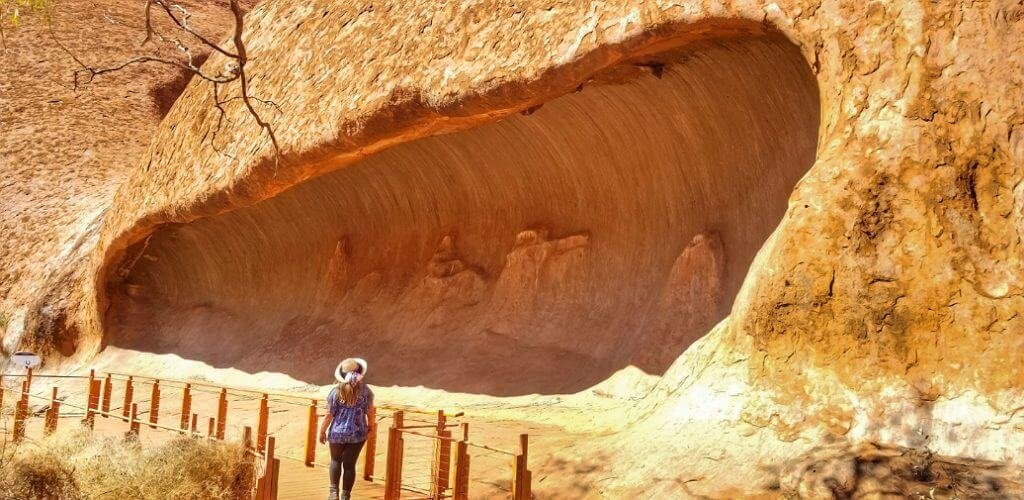
There are quite a few exciting ways to enjoy Uluru Rock besides just taking photos. The base walk is still one of the best experiences, really. This trail goes around the rock, and it shows off hidden caves, waterholes, plus ancient art places.
Another go-to thing is the Field of Light show. Thousands of vibrant lights glow across the desert after dark. With the night sky so deep and dark, it feels magical and calm all at once.
Camel rides also bring in loads of tourists. When you ride through the sand at sunrise, it turns into memories you can’t really replace. And at the same time, stargazing tours let visitors spot bright stars with this incredible clarity.
Essence
Uluru Rock is really more than just a giant red stone out in the desert, honestly. It is a place that feels packed with history and culture and that kind of wild natural beauty. Each sunrise, each story, and every color change seems to add to the whole magic thing… even if you are not trying to look for it.
People come to Uluru for different reasons too. Some show up for adventure, others for peace, or maybe for photography. Still, most folks walk away with this deeper respect for nature and for Indigenous culture, like it settles in quietly.
The actual strength of Uluru Rock isn’t only the view. It is the emotions it wakes up in you. It nudges people to slow down, pay attention carefully, and really appreciate the ancient world that is there around them, not just pass by.
And that is probably why Uluru feels different from other travel destinations. It not only impresses your eyes. It leans into your heart, like it actually matters.
FAQs
- Where is Uluru Rock located?
Uluru Rock is kind of located in the Northern Territory of Australia, inside Uluru-Kata Tjuta National Park. It’s one of those places people immediately recognize, even if they’ve never been there.
- Why is Uluru Rock so famous?
Uluru Rock is famous because it has this huge sheer size, its colors seem to change through the day, and it carries deep spiritual importance for Indigenous Australians, too. Not just the look, but also the meaning.
- Can tourists climb Uluru Rock today?
No, people don’t climb Uluru Rock now. Climbing stopped in 2019, mainly to respect Anangu culture and to help protect the sacred site.
- What is the best time to visit Uluru Rock?
Most travelers prefer May to September, since the weather is cooler, and it feels a lot more comfortable for walking around.
- How old is Uluru Rock?
Scientists estimate that Uluru Rock formed over 500 million years ago, so yeah, it’s extremely ancient, like beyond common imagination.
Also Read: Yarra Valley Magic: Why This Beautiful Escape Feels Like a Dream