What Makes Kata Tjuta So Special?
Far beyond the sunbaked center of the continent, terrain unfolds like breath held too long. Called Kata Tjuta by certain voices, it makes no demand to be seen. Where most follow waves or neon glare, a few move inward, pulled by rumors of rock forms edging up through barren ground. Towering bulbous shapes rest there, ancient presences settled into quiet. Heavy yet soft, their presence settles in without asking. When someone walks that path, the picture fades fast – what sticks is sensation.
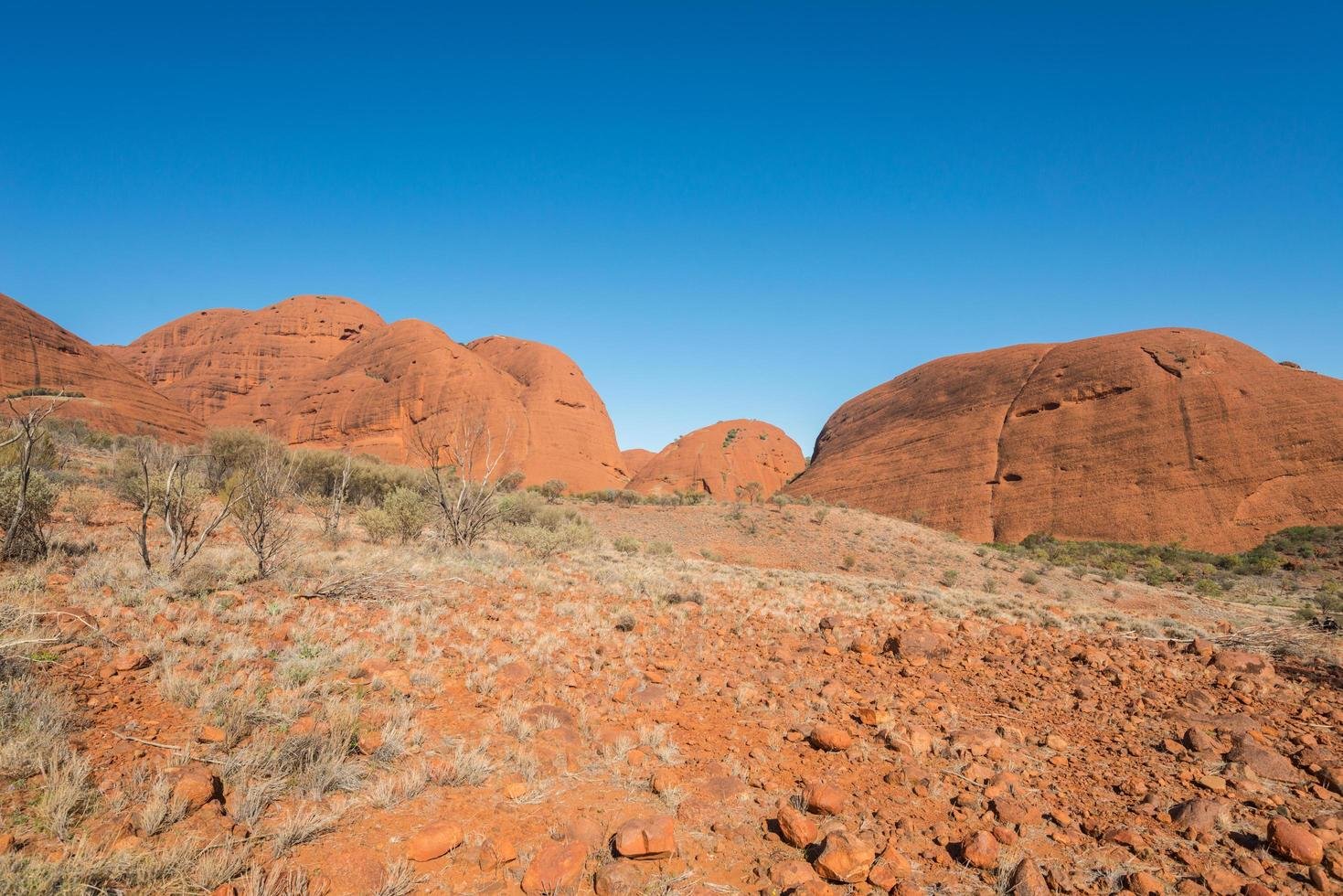
Out here, Kata Tjuta takes its name from the Pitjantjatjara tongue, translating to “many heads.” Located in the Northern Territory, close to Uluru, it stands quietly apart. While most attention drifts toward Uluru, travelers often say Kata Tjuta carries a deeper calm, along with an air of quiet secrecy. Rising from the land are 36 immense domes, shaped by time and weather. Standing anywhere, the scale hits hard; some domes push past half a kilometer. Height like that makes everything feel vast, almost overwhelming.
Out here, Kata Tjuta carries deep meaning for the Anangu, who have cared for this place since long before records began. Their presence shapes every path through the rocks, guiding those who walk with open eyes. Stories unfold slowly, passed along not in lectures but in quiet moments between steps. With each word shared, understanding grows less about maps, more about living memory. Respect arrives quietly, like shade at midday, settling into your thoughts without warning.
The Amazing Story Behind Kata Tjuta
Long before people existed, bits of stone began piling up where Kata Tjuta now stands. Rivers dragged debris here, dropping it slowly over the ages. Pressure built underneath, squeezing grains together into solid layers. Time passed hundreds of millions of years, with no hurry at all. Rain tapped constantly, wind scraped gently, both wearing down the surface bit by bit. The rounded shapes emerged only after endless small changes added up. No sudden shifts, just gradual shaping under open sky.
Unlike most peaks, Kata Tjuta carries stone made of bits stuck together by time and pressure. This type of rock binds small stones into solid forms without sharp edges. So the rounded shapes appear uneven, almost textured under your fingers. Light hits them differently when dawn breaks, or dusk falls. Orange flames across the surface while shadows deepen into rust-red folds. People behind cameras return, drawn not by rule but rhythm. Each visit feels like meeting an old friend in a new season.
Out here by Kata Tjuta, skies shift without warning. Heat lingers at first, then vanishes once the sun dips below the edge of the land; sudden chill follows just like that. Storms creep over the flatlands now and again, dragging thick clouds right up to the base of the rounded peaks. Every visit plays out unlike the last, never quite predictable but always real. Some folks arrive when golden light spills across stone; others stand soaked under swollen grey air as shapes blur and shadows stretch.
Why Travelers Love Visiting Kata Tjuta
Out here, Kata Tjuta hits different. Folks often say it stirs something real inside. Peace shows up for some, while others are gripped by awe that won’t let go. Desert hush? It breathes, somehow, more than simply sits still. Far from packed spots where noise never quits, this place opens room – thoughts find their way, minds settle, even if just briefly.
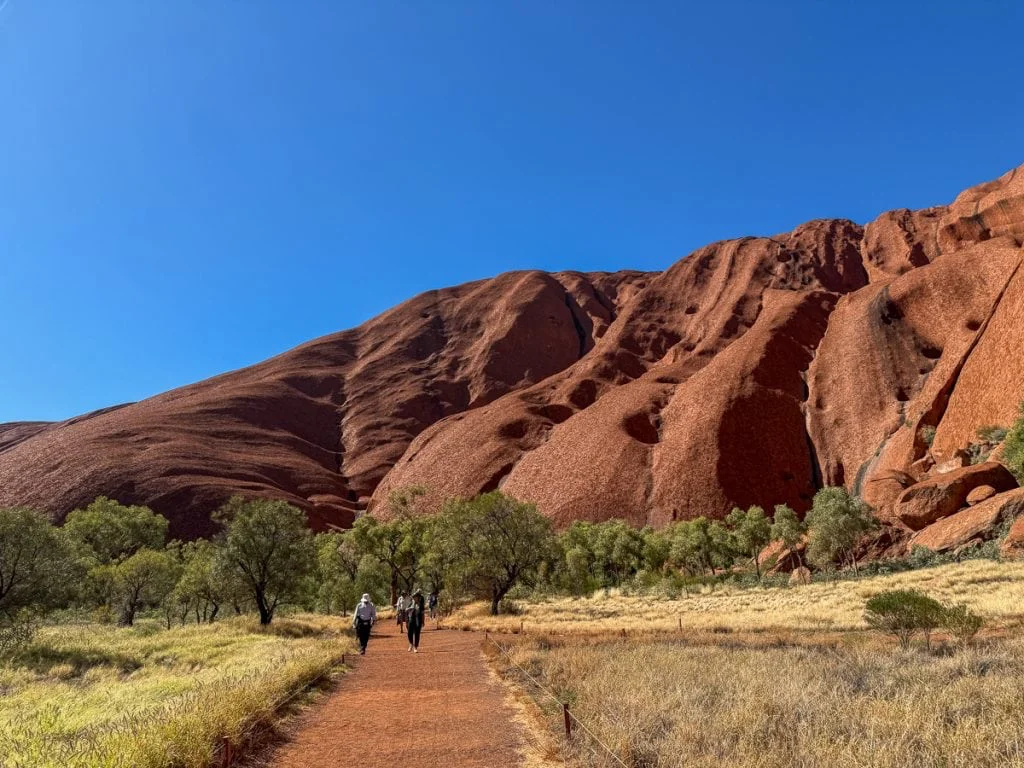
Deep inside the park, a path winds between towering rock forms. Not far along it, steep walls rise on both sides, cutting through ancient stone. Each turn opens something wider, unfolding scenery that grows grander without warning. Hidden in foliage above, birds call out sharp notes, breaking the silence only when they choose. Air slips down from higher ground, brushing across skin after traveling unseen through crevices. With sound and touch working together like that, the whole journey settles into a quiet rhythm.
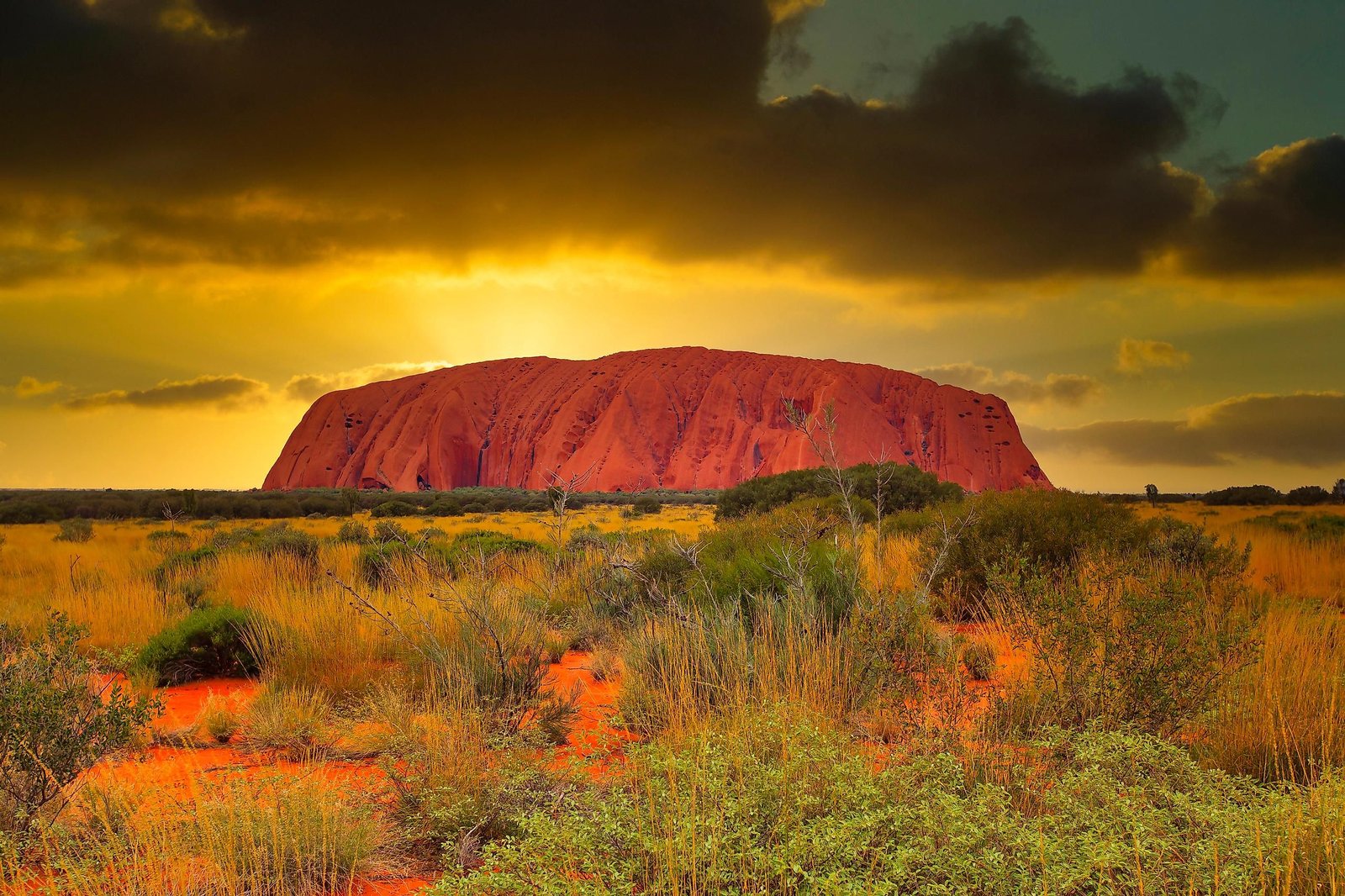
Some folks enjoy watching dawn break over the hills. Soft gold spills slowly onto rounded stone shapes when day begins. As hours pass, evening arrives with bold streaks of crimson and violet stretching wide. Colors shift so much they seem to breathe, making solid ground look dreamlike. Standing close does not stop the feeling; it hits harder somehow. Not just pretty – more like something inside stirs without warning.
The Cultural Importance of Kata Tjuta
Out here, Kata Tjuta isn’t just where visitors stop by; it holds deeper meaning. For countless generations, the Anangu have walked these parts. Stories from the Dreamtime? They’re still present, felt in the rocks, the wind, the silence. That ancient time shapes how things came to be, along with rules for living that matter today.
Some sections of Kata Tjuta stay closed for visitors, mostly because they include private ceremonial spaces. The Anangu people ask travelers to take the limits seriously, not just glance at them. This kind of respect supports the culture and the history, so it’s not only about rules; it is about care. Luckily, lots of tourists understand why preserving sacred places matters.
Best Time to Visit Kata Tjuta
May through September tends to be when most people head to Kata Tjuta, truthfully. Cooler weather shows up during those months, making hikes feel less intense despite gusty breezes hanging around. Summer brings scorching conditions, sometimes unbearable. Trails often shut down by midmorning, then, simply because it’s safer that way.
Water is a must, so pack extra along with sunscreen and good walking shoes. Out there, the heat doesn’t wait; it hits hard before you realize. With smart prep, though, things go smoothly, even feel rewarding at times. Mornings tend to surprise people with cooler air and fewer crowds. Light spills across the sand just right when the sun climbs, perfect for pictures without trying too much.
Essence
Out past the red dust, Kata Tjuta sits without fanfare; its hush seems deliberate. Towering stone shapes push up from the earth, awkward and grand at once. Because stories live here long before names did, the land speaks slower than most places. With silence stretched between each formation, visitors leave carrying something they didn’t notice arriving with.
Out here, most well-known places seem packed or overrun with shops. Not Kata Tjuta, though. This place stays rough around the edges, close to how Earth should be. Truth is, pictures just miss what it truly looks like. As you walk through, bits of knowledge slip in stories, old ways, slowing down, listening to the ground beneath your feet.
Out here, dawn breaks slow, whispering through dust and stone. The breeze off the dunes carries more than heat; it moves like memory. Paths worn into earth? They do not shout their past, just hold it quietly underfoot. These days, Anangu keep meaning alive, passing quiet truths hand to hand. Folks arriving with space inside them tend to notice what lingers between silence and sand.
Also Read: Uluru Rock Secrets: The Powerful Heart of Australia That Feels Alive