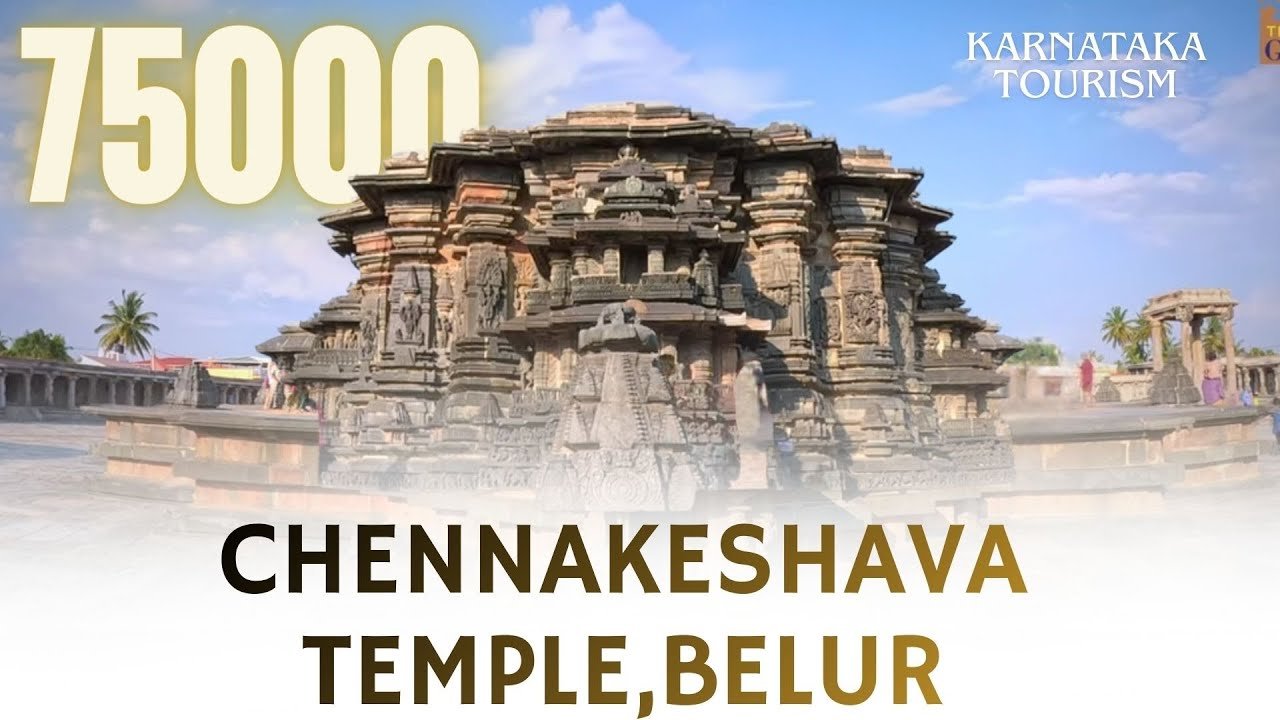
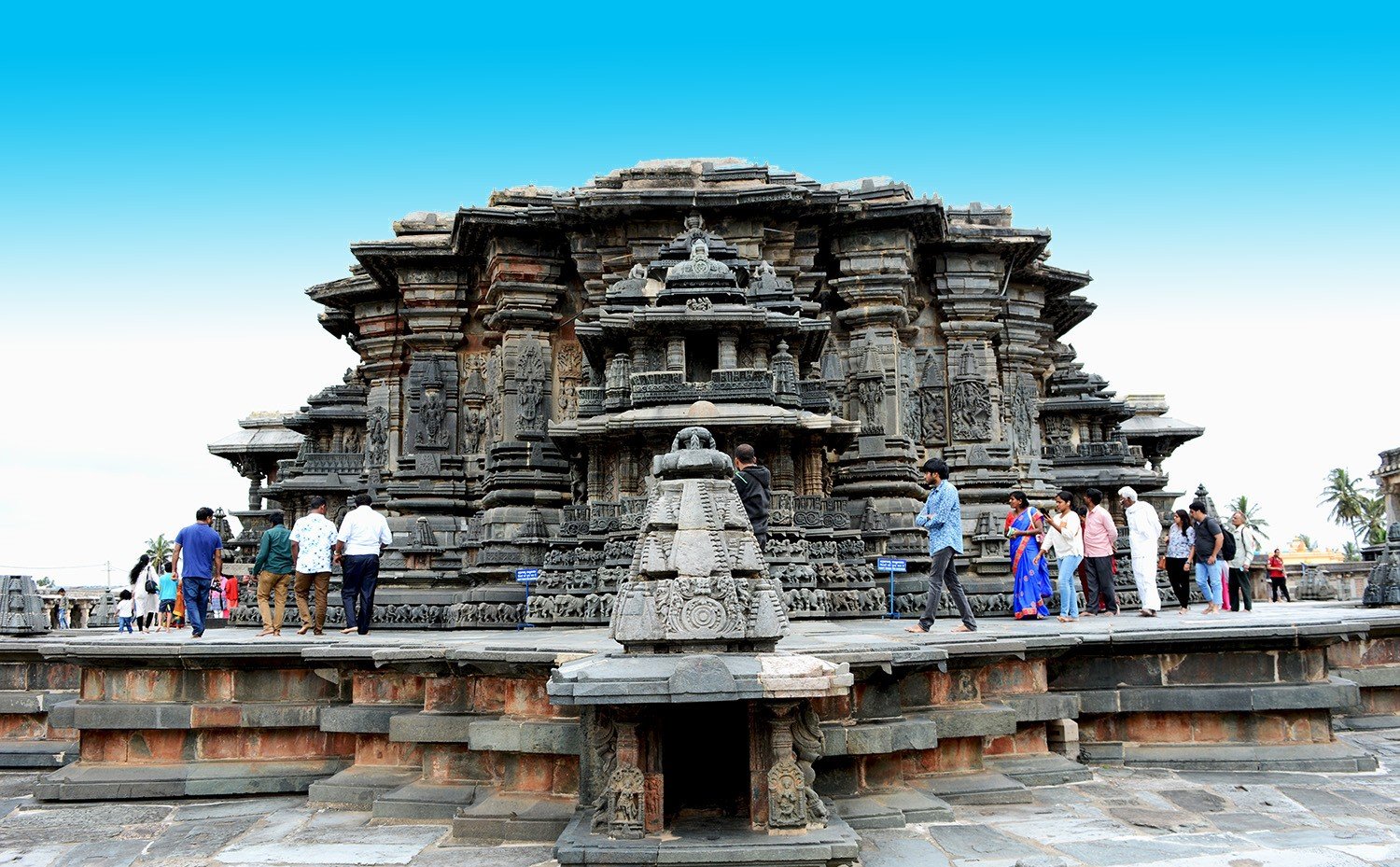
A stone temple, built and nearly complete, with amazing stone sculptures, unique heritage, and a distinctive Hoysala architectural style: the Chandrasekhara Temple in Belur, Karnataka. However, when you first see the temple, it appears huge. But dig a bit deeper, and you’re also met with exceptionally detailed carvings at an even higher level. Every surface appears to speak a narrative.
A King’s Dream Carved Into Stone
Chennakeshava temple stands in Belur, a quiet town. The temple dates back to the 12th century. It was made by rulers of the Hoysala dynasty. Work was done during the reign of King Vishnuvardhana. The shrine honors Lord Chennakeshava. He is seen as a form of Lord Vishnu.
The name is often taken to mean “beautiful Vishnu.” A place like this does not come up overnight. It took a long span of years with steady care from many people. Stone blocks were cut and shaped by large numbers of skilled workers. Their effort helped form what people call a remarkable work of art.
Look Closer: The Walls Hold Hundreds of Stories
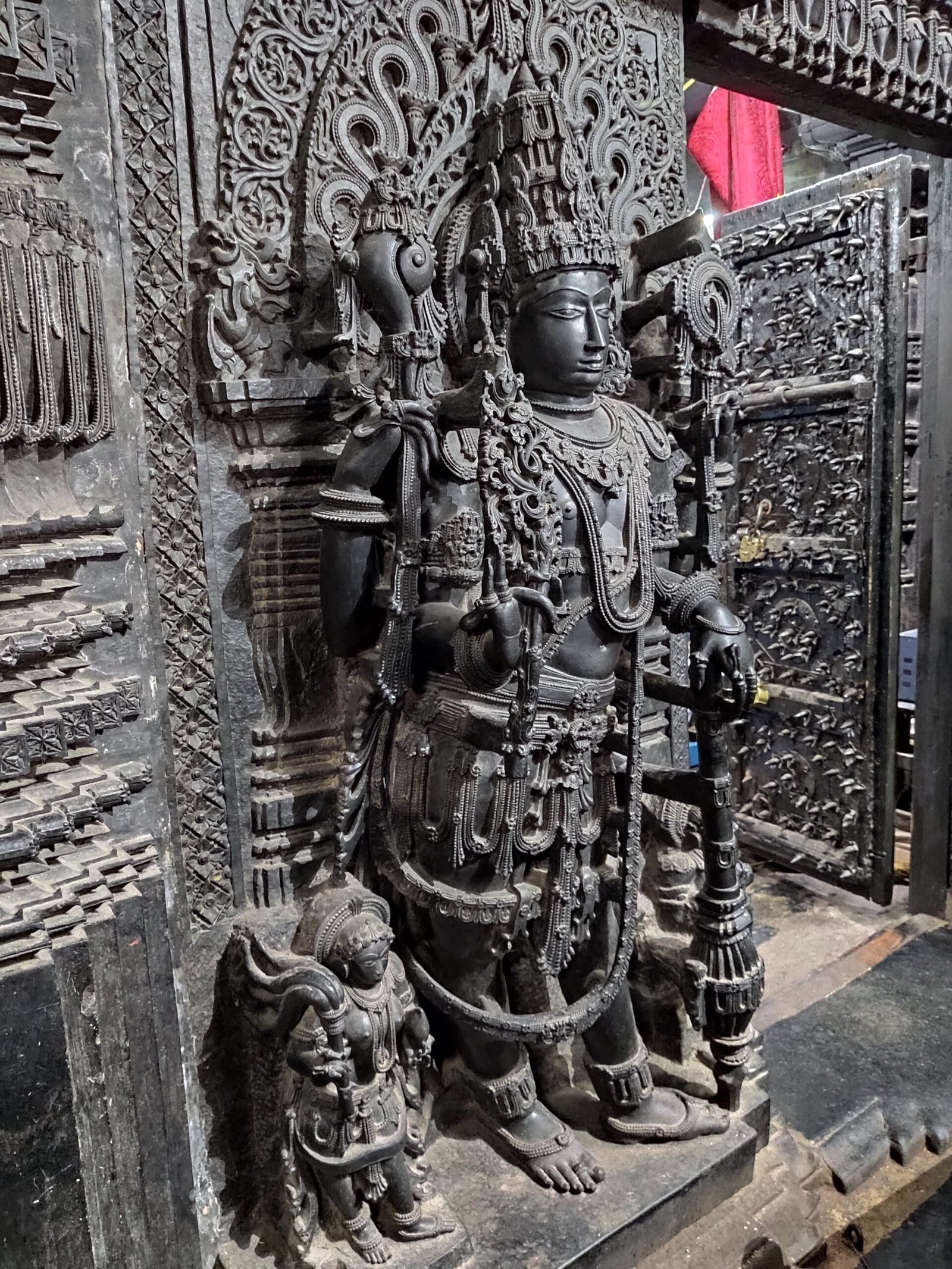
The specialty of Chennakesava Temple at Belur is the beauty of the craft and sculptures. The walls are not just carved but bedecked to their very utmost with gods and dancers and musicians and animals and flowers and epic tales; Some carvings are exquisite enough that your guide points out delicate adornments and the folds on the garment and even.
Chennakeshava Temple. Such small detailing brings out the patience and skill of Hoysala artisans. And inside, just as you walk, figures begin appearing one after another after you. Hence, a relaxed trip is usually more worthwhile.
Stone That Feels Soft to the Eyes
Most of the carvings in the temple are of soapstone, and only soapstone would allow such extreme detail and intricacy. As a result of this material, sculptors were able to insert amazing detail. Using simple hand tools, they crafted tiny ornaments, expressions, and decorative designs. It is hard to fathom even today how much concentration such work required.
The Dancers Who Never Stopped Moving
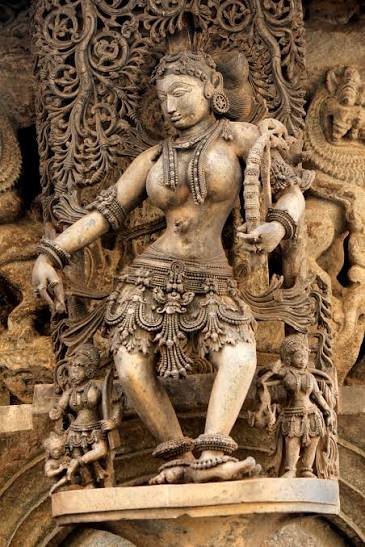
The stone women at the Chennakeshava Temple in Belur stand out to me. They feel bold and well-made, among the strongest pieces here. When I look closer, I see several women who seem to be doing things. Some are shown dancing. Others hold musical instruments. A few are frozen in striking poses that almost feel alive.
Even though they are carved from stone, the figures still suggest motion. The way their bodies are shaped does that. I also like the details in their hair. The hairstyles are clear and neat. Their jewelry and clothing add more texture to the scenes. These elements point to the style of the time they came from. Overall, these carvings show a clear link between art and daily life back then.
Elephants at the Bottom, Stories Above
Observe thoroughly, not far from the base of the temple walls. You shall see rows of elephants as well as many types of decorative designs. The different design layers provided by each section, from the ground up, look like a careful plan in building this temple. As such, the visitor’s gaze shifts naturally from animal to human, narrative, and sacred image. It is this arrangement that makes the Chennakeshava Temple appear so rich and lively.
What Makes Belur Different?
Many ancient temples are liked for their magnitude. The Chennakeshava Temple in Belur is best known for its attention to detail. The artists have not just created walls. They infused those walls with imagination. One visitor can stand in front of a section for several minutes and still find something new. This feeling of discovery is what makes Belur extra special.
A Lesson in Patience From the Past
The temple was constructed without modern machines or electric tools. Artists used basic hand tools to slowly sculpt the stone. They required steady hands, razor-sharp eyes, and immense patience. The above is one of the major morals that the temple teaches us this day: the work that is best done does not always mean it takes very little time. The builders of the Chennakeshava Temple erected a sculpture that is remembered by people even after death.
Why the Chennakeshava Temple Still Matters
The Chennakeshava Temple at Belur is equally significant since it links art, history, faith, and the human hand. It helps us interpret Hoysala period successes. It also serves as a reminder of just how skilled and knowledgeable past masters were. A living, breathing history lesson for the students. Inspiration for artists. A destination that is a surprise for tourists.
The Best Way to Experience Chennakeshava Temple
Avoid rushing through the temple. Take your time to move slowly; take a good look at the carvings. Look at these: faces, animals, jewels, and small decorative patterns. If there is one thing you can do, spend time studying a wall. You will be able to spot details that are slipping by others. That, indeed, is the premium experience of Belur. The temple rewards curiosity.
Discontinuation
The 18th-century monument of the Chennakeshava Temple, Belur. It comes from human hands, thoughtful minds, and remarkable imagination. The carvings date back centuries and still draw eyeballs. Maybe the real magic of this temple is in that. The sculptors have died, but their artwork still speaks to anyone who stops and looks. Stone on the periphery does not appear to go silent in Belur.
Also Read: Varamahalakshmi Festival 2026: A Beautiful Day of Faith, Family, and Blessings