The Harihar Fort functions as more than a military fortification. The building exists as a vast stone fortification that rules over the entire Sahyadri mountain range of Maharashtra. The building structure from afar looks like a mountain, which takes the shape of a pyramid and is made completely out of stone material. The location provides guests with an exhilarating journey,y which they need to complete in order to arrive at their final location. Visitors who come to Harihar Fort each year want to prove their bravery while experiencing the natural world and historical environment.
What special things define the character of Harihar Fort? The fort’s stairs, misty clouds, and hidden wall stories create a special atmosphere. We will show the incredible place using simple words that create exciting descriptions.
Where Is Harihar Fort Located?
Harihar Fort stands in western India, which lies near the Nashik district. The fortification exists between the two villages of Nirgudpada and Harshewadi. The area contains dense forested regions together with visible flowing rivers and high mountain peaks.
Nashik and the Sahyadri Connection
Visitors come to Nashik drawn by old temples, fields of grapes, and ruins that whisper stories from long ago. Deep inside the Sahyadri hills lies something few know – a wild stretch where wanderers find their rhythm. Up above, cloaked in forest, stands Harihar Fort, jutting out like it was carved by time itself.
Why the Fort Looks Like a Pyramid
The triangular shape of Harihar Fort presents a pointed appearance when viewed from afar. Visitors come to Nashik drawn by old temples, fields of grapes, and ruins that whisper stories from long ago. Deep inside the Sahyadri hills lies something few know – a wild stretch where wanderers find their rhythm. Up above, cloaked in forest, stands Harihar Fort, jutting out like it was carved by time itself.
History of Harihar Fort
Harihar Fort has watched many kingdoms rise and fall. Its stones have seen wars, victories, and peaceful times.
Who Built Harihar Fort?
Fort construction likely happened under the Yadavas in the 1100s, experts say. Control shifted when forces under Chhatrapati Shivaji Maharaj seized hold. While empires clashed nearby, Mughal troops pushed hard to claim it.
Battles and Changes of Power
Because of its height, Harihar Fort worked like a natural watchtower. Soldiers used it to spot enemies from far away. Over time, different rulers claimed it, but the fort always remained strong.

Why Harihar Fort Is Famous
Many forts exist in Maharashtra, but Harihar Fort stands apart. Two things make it world-famous.
The Iconic Rock-Cut Stairs
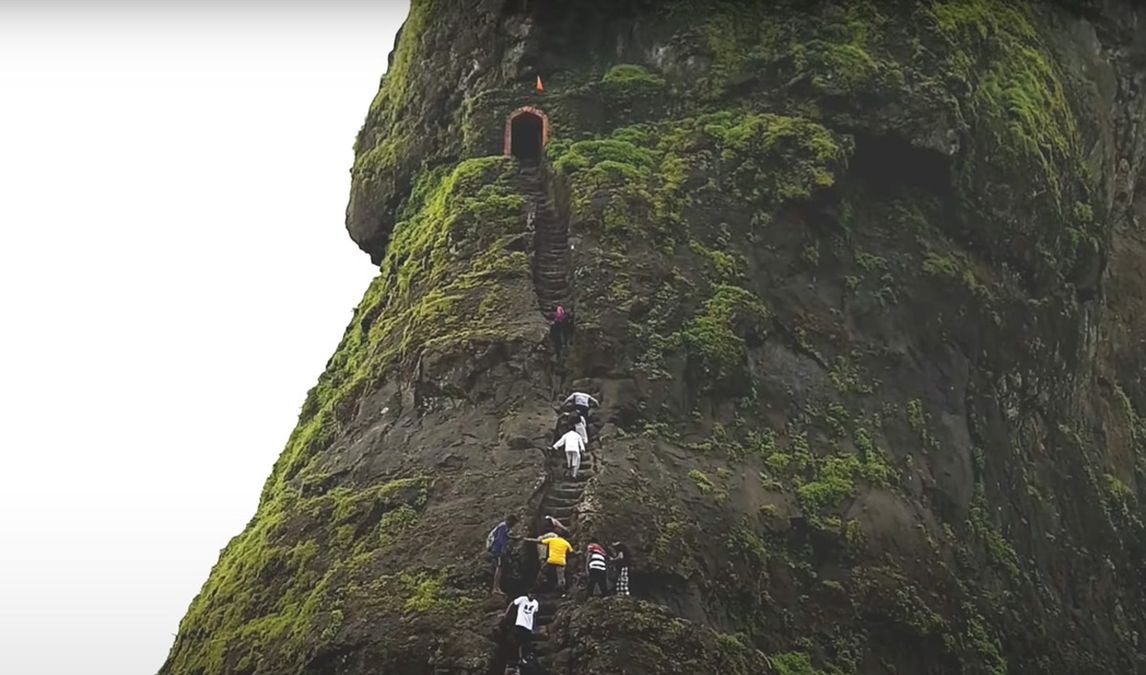
The most thrilling part of Harihar Fort is its rock-cut stairs. These stairs rise almost vertically at a 70-degree angle. Each step is carved directly into the mountain. Climbers must lean forward and hold onto the rock tightly.
For example, when you climb these stairs, your heart races, your palms sweat, and your breath quickens. But the excitement keeps you moving upward.
A View That Feels Like Flying
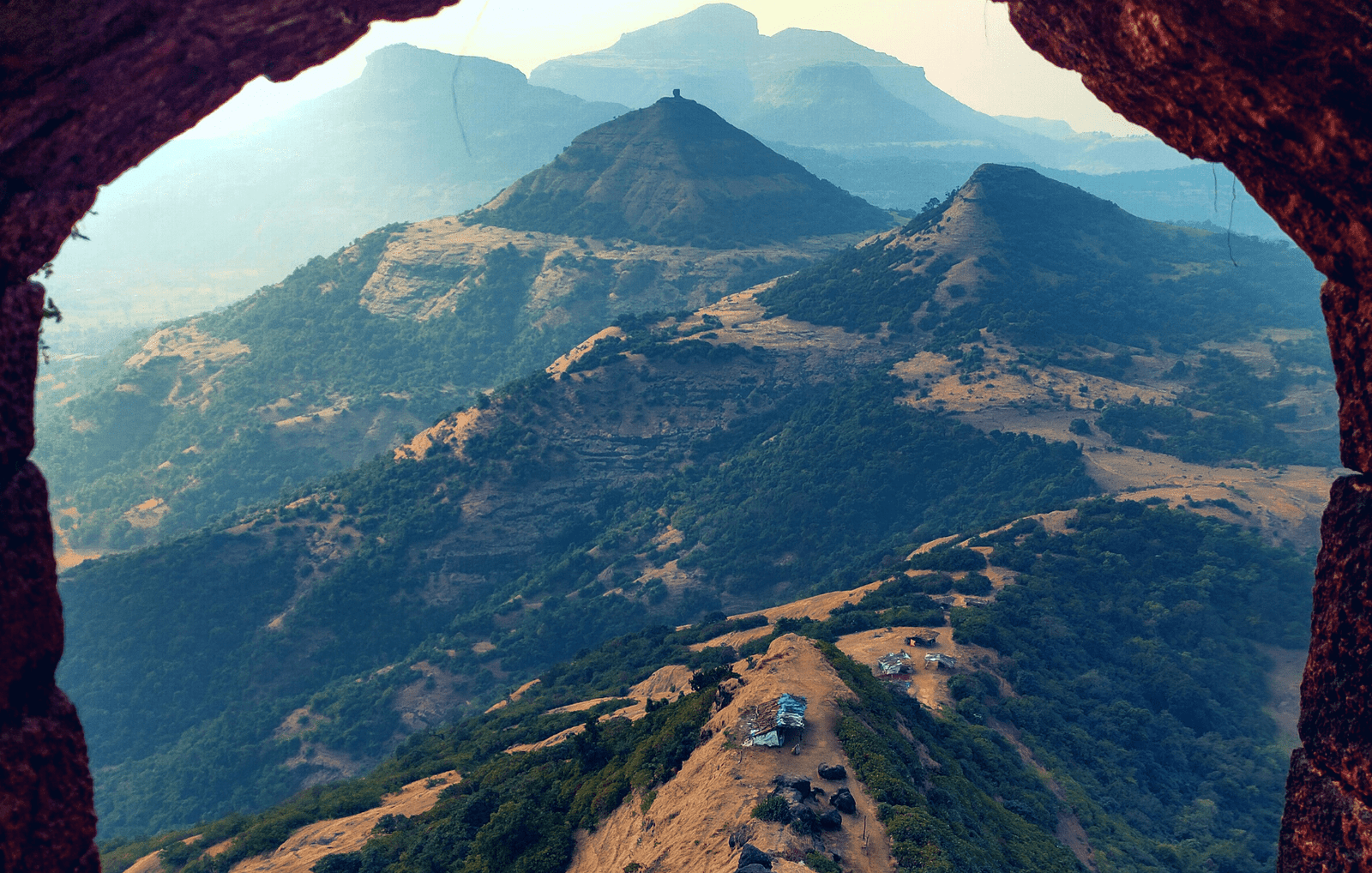
Once you reach the top, the world looks tiny below. Clouds float around you like cotton. Hills stretch endlessly in every direction. Suddenly, you feel as if you are standing on the edge of the sky.
The Thrilling Trek to Harihar Fort
The journey to Harihar Fort is as exciting as the destination.
The Base Village and Starting Point
Most trekkers start from Nirgudpada village. The first part of their journey goes through fields and forest trails. The surroundings create bird sounds which combine with flowing water and clean air to fill the area.
Climbing the Vertical Stairs
The real challenge begins after the hikers complete their moderate hike when they must climb the stairs. The trekkers move upward with a slow pace, and they demonstrate their courage through their climbing efforts. The climbers continue their progress despite their feelings of fear. The climbers reached the summit while showing their happiness through proud smiles.
Harihar Fort in Different Seasons
Harihar Fort changes its mood with the seasons.
Monsoon Magic at Harihar Fort
The fort becomes completely green during the monsoon season. Water flows freely from the cliff surfaces. Trekkers need to exercise more caution because the stairs become slippery.
Winter Calm and Clear Skies
The winter season brings cool weather, which people find pleasant. The sky becomes crystal clear. The time period that begins at this moment and extends into the future represents the safest period for visiting Harihar Fort.
Life on Top of Harihar Fort
Reaching the summit feels like stepping into history.
Temple, Water Tanks, and Ruins
The summit of Harihar Fort contains an ancient temple, two stone water tanks, and remnants of destroyed walls. The ruins reveal their past through the stories about ancient warriors who inhabited this place.
Wind, Silence, and Adventure
The top of the hill experiences strong wind gusts that reach their maximum intensity. The fort experiences cloud movements, which create a ghostly appearance through its structure. The area remains quiet until the breeze produces its softest sound.
Safety Tips for First-Time Trekkers
Harihar Fort is exciting but risky. Therefore, safety matters a lot.
What to Carry
Put on jeans, waterproof shoes, and a raincoat, and, of course, a pair of sunglasses against the heat, which can be unbearably harsh.
How to Stay Safe on the Stairs
You must maintain a strong grip on the rock while moving at a slow pace and without any rush. The moment you experience fear, you should stop everything to practice deep breathing.
What Makes Fort Special?
Most forts display their beauty,y but Harihar Fort shows its living character through its design. The fort’s steep walls create physical challenges for your body while its historical background creates emotional connections.
A Living Story in Stone
The construction of Harihar Fort goes beyond its use of rock material. The structure functions as a monument that demonstrates human bravery combined with their most optimistic dreams and their inherited mythical stories. The steps you take establish a connection between you and historical times.
Denouement
Underneath open skies, Harihar Fort isn’t just stone and slope; it holds echoes of courage carved into time. As feet meet each step, rough-hewn by hands long gone, something shifts inside those walking them. Instead of rushing, bodies learn rhythm: steady breaths match uneven climbs, turning effort into quiet focus. Among jutting rocks and sudden drops, views unfold without warning, wide horizons where mist parts like curtains. History lives here, not in books but under fingertips tracing old walls cracked by sun and rain. Anyone drawn to raw landscapes or forgotten paths finds their thoughts slowing too, matching the land’s own pace. Stories wait between cracks in the steps, whispered only if you listen closely enough.
FAQs
- Is Harihar Fort dangerous?
The fort presents dangers to visitors who enter during the monsoon season. The climbing path provides all necessary protection.
- How long does the trek take?
The ascent to the summit requires a time range of 2 to 3 hours.
- Can beginners climb Fort?
Yes, but they should go with experienced trekkers.
- What is the best time to visit?
Winter serves as the most secure and optimal period for travel.
- Why are the stairs so steep?
The fort builders constructed the steep stairs to create an effective defense against incoming attackers.
Also Read: Nathula Pass – The Breath of the Himalayas